Fatigue and Sleep Apnea. A Sleep Physician Explains
Fatigue has many causes. Sleep apnea is one of the most common and most overlooked.

You slept eight hours. You should feel fine. But you don't. You're dragging yourself through the morning, reaching for a second coffee by 10am, and fighting to stay focused by early afternoon. Sound familiar?
Tiredness is one of the most common complaints physicians hear. And one of the most dismissed. People blame stress, age, a busy life. Sometimes that's true. But sometimes the answer is something more specific — something happening while you sleep that you have absolutely no awareness of.
There's tired, and then there's fatigued.
It's worth separating two things that often get confused. Tiredness is what you feel after a long day or a late night. Sleep fixes it. Fatigue is different. It's a persistent, heavy exhaustion that doesn't go away with rest. You sleep and wake up tired. You rest on the weekend and still feel flat. That kind of fatigue is a signal that something else is going on.
So what actually causes chronic fatigue?
The list is long. Thyroid issues, iron deficiency, depression, diabetes, chronic infection, and medication side effects can all cause persistent tiredness. A good physician will rule these out. But one cause sits near the top of the list and gets missed far more often than it should: obstructive sleep apnea.
Why does sleep apnea make you so tired?
Because it prevents you from ever fully resting, even when you're technically asleep for eight hours.
Here's what happens. Your airway partially or fully closes during sleep. Your brain detects the drop in oxygen and wakes you just enough to reopen it. You don't remember this. But it can happen five, twenty, fifty, or even a hundred times a night. Each interruption pulls you out of the deeper, restorative stages of sleep. By morning, your body has technically been unconscious for hours but has never actually recovered.
The result isn't just tiredness. It's a specific kind of exhaustion that accumulates over weeks and months. Brain fog. Difficulty concentrating. Low motivation. Falling asleep at your desk or in front of the TV. Feeling like you're running at 60% no matter what you do.
Why do so many people miss the connection?
A few reasons.
Most people associate sleep apnea with loud snoring and assume that if they're not snoring dramatically, they don't have it. But not everyone with sleep apnea snores loudly. Some people have very disrupted sleep with minimal snoring at all.
Women in particular are frequently misdiagnosed. The classic sleep apnea presentation — a heavy-snoring middle-aged man — doesn't describe many of the people who actually have it. Women with sleep apnea are more likely to report fatigue, insomnia, and mood changes than the textbook snoring symptoms. As a result, they're often told they have depression or anxiety when sleep apnea is actually the underlying issue.
And because fatigue is so easy to explain away, most people don't mention it to their doctor as a primary concern. They mention it in passing, if at all.
Other signs that your fatigue might be sleep-related:
If your tiredness comes with any of these, sleep apnea is worth investigating:
- Waking up unrefreshed no matter how long you slept
- Morning headaches or a dry mouth
- Difficulty concentrating or remembering things
- Irritability or low mood without a clear reason
- Falling asleep easily during the day — in meetings, while reading, or watching TV
- Snoring, gasping, or restless sleep reported by a partner
- Needing caffeine to function through the afternoon
What should you actually do about it?
Start by taking the fatigue seriously. It's not just stress. It's not just getting older. Persistent fatigue that doesn't resolve with rest deserves an explanation.
The practical first step is a short screening questionnaire that assesses your risk for sleep apnea. It takes two minutes and uses a validated clinical tool called the STOP-BANG questionnaire. It won't give you a diagnosis, but it will tell you whether talking to a physician makes sense.
If sleep apnea is confirmed, treatment works. Most people on CPAP therapy notice a meaningful difference in energy and focus within the first week. The kind of difference that makes them wonder why they waited so long.
Could your fatigue be sleep-related?
Take the free one-minute screening. It's the same tool physicians use to assess sleep apnea risk.
Keep Reading
More from the Educational Hub
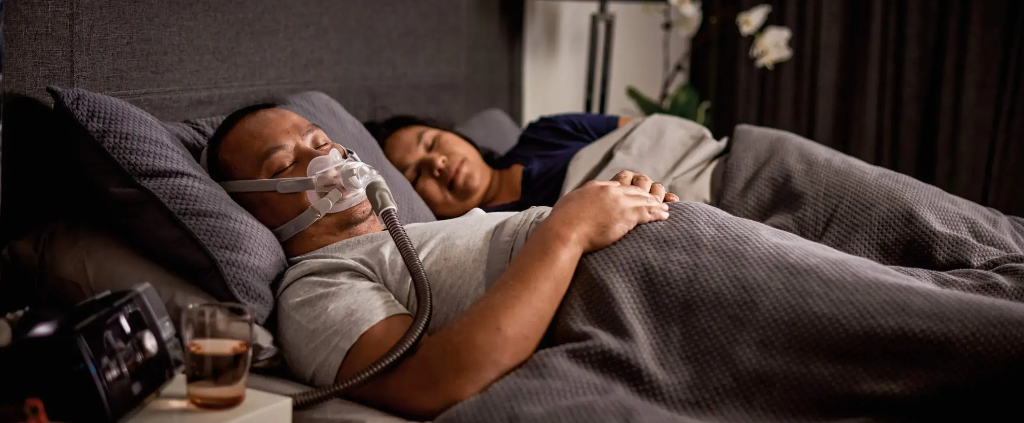
Therapy for Sleep Apnea: Complete Guide
Everything you need to know about how CPAP works, what to expect, and how to get the most out of treatment.
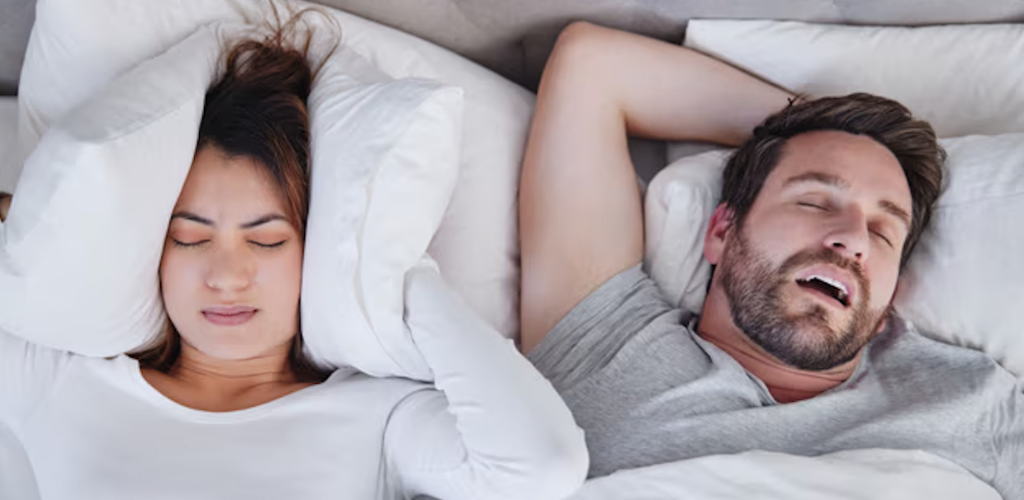
Is Snoring Dangerous? What Your Nightly Noise Might Be Telling You
Not all snoring is harmless. Here's how to tell the difference.
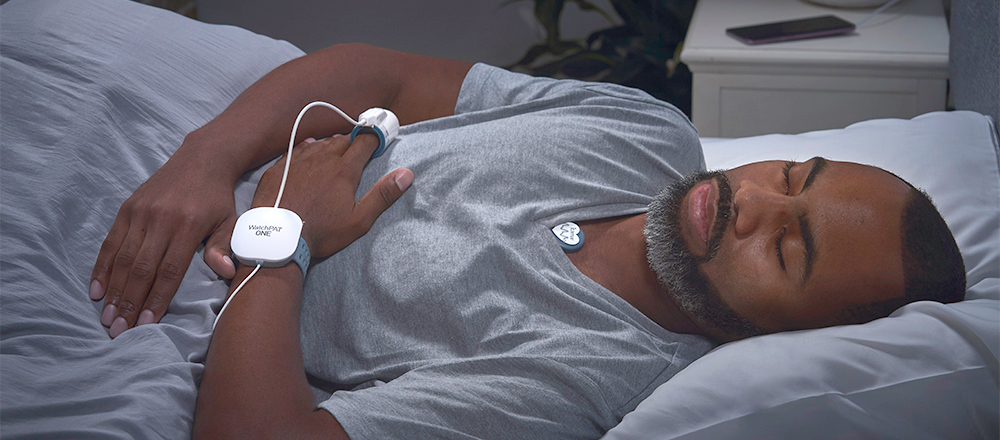
What to Expect From a Home Sleep Test
It's simpler than you think. Here's exactly what happens from the moment the device arrives.