CPAP Therapy for Sleep Apnea: Complete Guide
Everything you need to know about how CPAP works, what to expect, and how to get the most out of treatment.
What Is CPAP Therapy?
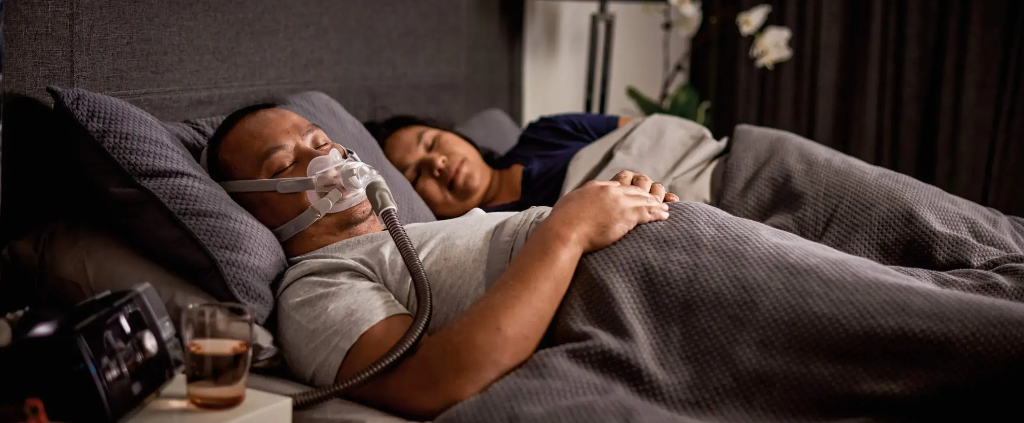
CPAP (continuous positive airway pressure) is the most effective treatment for sleep apnea. It works by delivering a steady stream of air through a mask while you sleep, keeping your airway open and preventing breathing pauses.
This eliminates snoring and choking sounds, allowing uninterrupted sleep and stable oxygen levels. Over time, consistent CPAP use can improve sleep quality, energy, and overall health.
How CPAP Works
A CPAP system includes:
- Machine: A compact, quiet air compressor (about the size of a tissue box)
- Tubing: Connects the machine to your mask and allows movement during sleep
- Mask: Worn over the nose, mouth, or both to deliver air
Your sleep doctor sets the correct air pressure. Many devices include a ramp feature, which starts at a lower pressure and gradually increases to help you fall asleep comfortably.
Types of CPAP Masks
Choosing the right mask is critical for comfort and effectiveness.
Nasal mask
This mask only covers your nose. It is the most common option and works well for most patients.

Full face mask
This mask covers your nose and mouth. It is useful for mouth breathers or patients who experience air leaks with a nasal mask.

Nasal pillows
This mask uses soft silicone tubes that fit directly into the nostrils. A good option for patients who experience air leaks or don't like the feeling of a mask over their face.
Benefits of CPAP Therapy
Consistent CPAP use can significantly improve both health and quality of life:
- Cardiovascular health — Reduces strain on the heart and lowers risk of conditions such as heart failure, coronary artery disease, irregular heartbeat, and stroke.
- Stroke prevention — Untreated sleep apnea increases stroke risk by 2–4x; CPAP helps reduce this risk.
- Diabetes risk reduction — Improves insulin sensitivity and helps regulate blood sugar.
- Better daytime function
- Increased alertness and energy
- Improved concentration and decision-making
- Reduced fatigue and sleepiness
- Mental health and mood — Helps reduce risk of depression and improves emotional stability.
- Eliminates snoring — Creates a quieter sleep environment for you and your partner.
- Lower long-term healthcare costs — Prevents complications linked to untreated sleep apnea.
Common Side Effects (and Fixes)
Most CPAP side effects are minor and manageable:
- Skin irritation or strap marks: Adjust fit or switch masks
- Dry nose or throat: Use a humidifier
- Nasal congestion or runny nose: Use saline spray or adjust humidity
If issues persist, consult your sleep specialist for adjustments.
Other PAP Therapy Options
If CPAP is not ideal, alternatives include:
- APAP (Auto-adjusting PAP): Automatically adjusts pressure throughout the night
- BPAP (Bi-level PAP): Uses different pressures for inhaling and exhaling; helpful for certain breathing conditions
CPAP Accessories
Humidifiers — Add moisture to the airflow to reduce dryness and irritation. Many devices include built-in humidifiers.
Tips for Adapting to CPAP
CPAP is a long-term habit. Consistency is critical.
- Use CPAP every night and for all naps
- Start by wearing it during the day to get comfortable
- Make it part of your bedtime routine
- Adjust mask fit gradually for comfort
- Use the ramp feature if pressure feels too strong
- Use a humidifier for dryness
- Clean equipment weekly
- Consider accountability (partner, support group) if adherence is difficult
Even one night without CPAP can negatively affect blood pressure and sleep quality.
Bottom Line
CPAP therapy is a highly effective, non-invasive treatment for sleep apnea. When used consistently, it improves sleep, reduces serious health risks, and enhances daily performance and quality of life.
Think this might apply to you?
Take the free one-minute screening. It's the same tool physicians use to assess sleep apnea risk.
Keep Reading
More from the Educational Hub
Is Snoring Dangerous? What Your Nightly Noise Might Be Telling You
Not all snoring is harmless. Here's how to tell the difference.

Why Am I Always Tired? A Sleep Physician Explains
Fatigue has many causes. Sleep apnea is one of the most common and most overlooked.
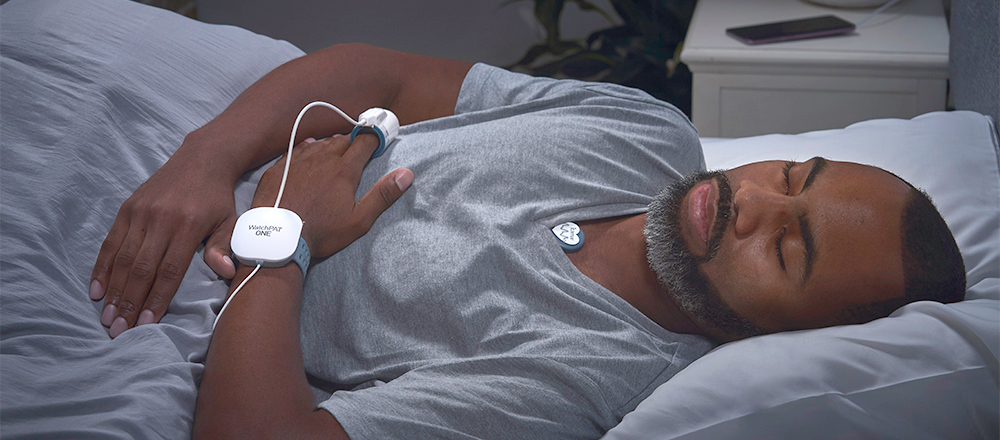
What to Expect From a Home Sleep Test
It's simpler than you think. Here's exactly what happens from the moment the device arrives.