What to Expect From a Home Sleep Test
It's simpler than you think. Here's exactly what happens from the moment the device arrives.
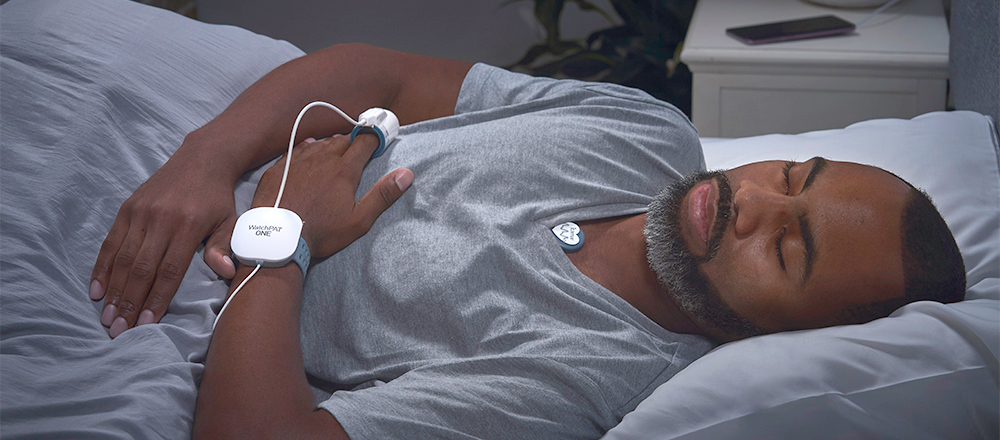
When most people hear "sleep test," they picture a hospital room, a technician, wires attached to their scalp, and a night of trying to sleep somewhere that isn't home. That image puts a lot of people off. It's also outdated.
For the majority of people being assessed for obstructive sleep apnea, a home sleep test is now the standard of care. It's clinically validated, physician-reviewed, and happens entirely in your own bed. Here's exactly what the experience looks like.
What is a home sleep test?
A home sleep test is a small, wearable device that monitors your breathing, oxygen levels, heart rate, and body position while you sleep. The data it collects overnight gives a sleep physician everything they need to diagnose or rule out obstructive sleep apnea.
It is not the same as a full in-lab sleep study, which monitors brain activity and is used for more complex sleep disorders. But for suspected obstructive sleep apnea — which is the most common sleep disorder — a home sleep test is accurate, recommended by clinical guidelines, and far more practical.
How does the device get to you?
Once your physician recommends a home sleep test, the device is shipped directly to your home. It typically arrives within two to three business days. Everything you need comes in the package: the device itself, clear instructions, and the device is fully disposable.
No trips to a clinic. No pickup. No drop-off.
What does the night actually look like?
This is where most people are pleasantly surprised.
You follow your normal evening routine. You go to bed at your usual time. Before you sleep, you attach the device, which sits on your wrist and includes a small finger sensor that clips on painlessly. It takes about two minutes to put on.
Then you sleep. That's it. The device runs quietly in the background. Most people forget they're wearing it within minutes. You wake up in the morning, remove it, and your night is done. One night is all it takes.
What does the device actually measure?
Throughout the night the device records:
- Blood oxygen levels, to detect drops caused by breathing interruptions
- Breathing effort and airflow, to identify pauses or reductions in breath
- Heart rate, which responds to oxygen changes during apnea events
- Body position, because sleep apnea can be position-dependent
- Movement and sleep disruption patterns
Together these data points give your physician a detailed picture of what happened while you slept.
How the information from your device is transmitted to the doctor?
The device transmits your data securely. A sleep physician then analyzes the full overnight recording, typically within two to three business days. And you will receive your report by email.
Is it as accurate as a lab test?
For diagnosing obstructive sleep apnea, yes. Multiple studies have validated home sleep testing against in-lab polysomnography, and clinical guidelines from sleep medicine bodies in both Canada and the United States support its use as the first-line diagnostic tool for suspected obstructive sleep apnea in adults without complex comorbidities.
If your results are inconclusive, or if your physician suspects a more complex sleep disorder, an in-lab study may be recommended as a follow-up. But for the vast majority of patients, one night at home is enough.
Who is a home sleep test right for?
A home sleep test is appropriate if you have symptoms of obstructive sleep apnea and no significant comorbidities that would require more detailed monitoring. If you're not certain, you can book a consultation first to determine if a home sleep test is suitable for you. If you're unsure whether you even need a test, the free screening below is the right place to start.
Think you might need a sleep test?
Take the free one-minute screening. It's the same tool physicians use to assess sleep apnea risk.
Keep Reading
More from the Educational Hub
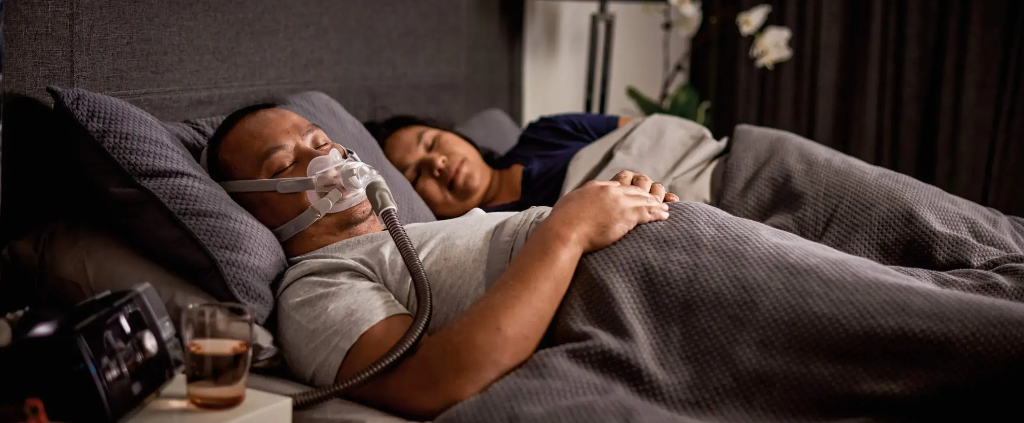
Therapy for Sleep Apnea: Complete Guide
Everything you need to know about how CPAP works, what to expect, and how to get the most out of treatment.
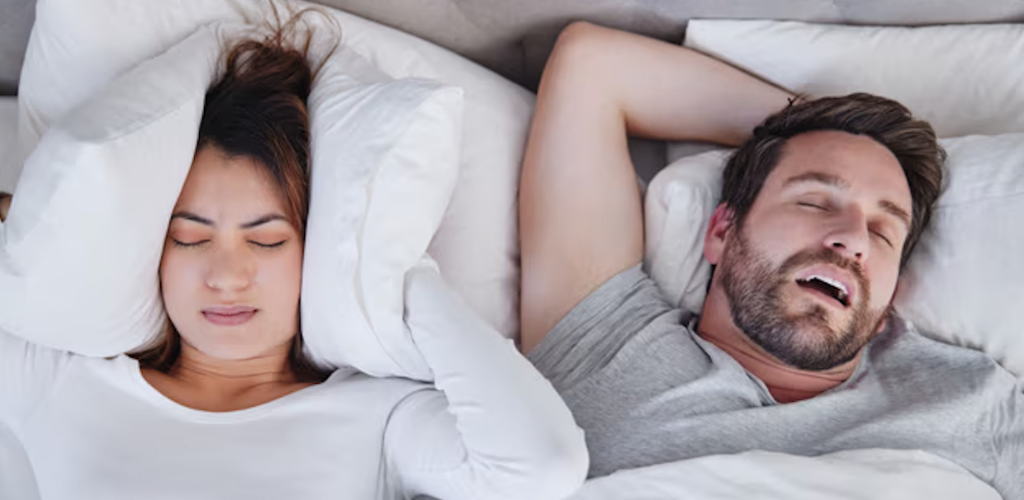
Is Snoring Dangerous? What Your Nightly Noise Might Be Telling You
Not all snoring is harmless. Here's how to tell the difference.

Why Am I Always Tired? A Sleep Physician Explains
Fatigue has many causes. Sleep apnea is one of the most common and most overlooked.