Is Snoring Dangerous? What Your Nightly Noise Might Be Telling You
Not all snoring is harmless. Here's how to tell the difference.
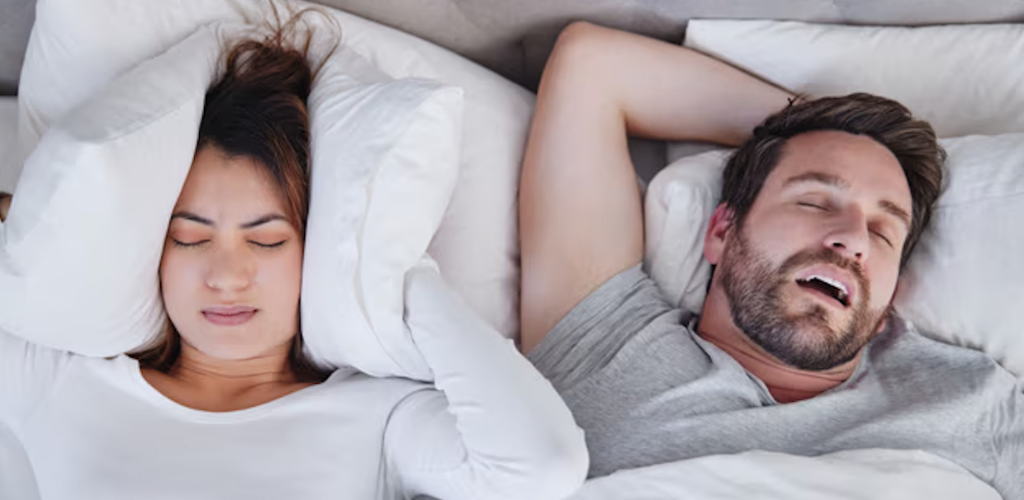
Almost everyone snores occasionally. A stuffy nose, a few drinks, sleeping on your back. Usually it means nothing. You wake up, get on with your day, and nobody mentions it again.
But sometimes snoring is a signal. Not a loud, dramatic warning. Just a quiet, consistent sign that something in your airway isn't quite right while you sleep. Knowing the difference between harmless snoring and something worth addressing could genuinely change your health.
Why do we snore?
Snoring happens when airflow through your mouth and throat is partially blocked during sleep. The surrounding tissues vibrate as air pushes past them, and that vibration is the sound you hear. The blockage can come from a lot of places: a relaxed tongue falling back, swollen nasal passages, excess tissue in the throat, sleeping position, or alcohol. Most of the time this is temporary and harmless. But when it happens every night, loudly, and with other symptoms, it's worth paying attention to.
When is snoring just snoring?
Occasional, mild snoring on its own is usually nothing to worry about. If you snore only when congested, only after drinking, or only when sleeping flat on your back, and you wake up feeling rested, that's a different picture than chronic, nightly snoring. The key question isn't just how loud you snore. It's how you feel during the day, and what else is happening at night.
When does snoring become a warning sign?
Snoring becomes more significant when it comes with other symptoms:
- Snoring that is loud, frequent, and happens regardless of position
- Gasping, choking, or snorting sounds during sleep
- Someone observing you stop breathing mid-snore
- Waking up with headaches or a dry, sore throat
- Feeling exhausted after a full night of sleep
- Struggling to stay awake during the day
- Mood changes, irritability, or difficulty concentrating
These combinations, especially the pauses in breathing, are classic signs of obstructive sleep apnea. The snoring in this case isn't just noise. It's the sound of your airway struggling to stay open.
What is the connection between snoring and sleep apnea?
Not everyone who snores has sleep apnea. But almost everyone with sleep apnea snores. Sleep apnea happens when the airway closes completely, repeatedly throughout the night. Each time it closes, breathing stops. The brain triggers a brief wake response to reopen the airway, often accompanied by a gasp or snort. This cycle can happen dozens or even hundreds of times a night, leaving the body fragmented and oxygen-deprived, even if you never remember waking up.
Does snoring affect your partner too?
Yes, and more than most people acknowledge. Studies show that partners of heavy snorers lose an average of one hour of sleep per night. Many couples end up sleeping in separate rooms. It works for the snoring, but it doesn't address what might be causing it. And if sleep apnea is the underlying issue, the snorer is still experiencing the health consequences.
What can you do about it?
For mild, positional, or lifestyle-related snoring, sleeping on your side, avoiding alcohol close to bedtime, and treating nasal congestion can help. But if your snoring is loud, frequent, and comes with any of the symptoms above, the right move is to find out whether sleep apnea is involved. A home sleep test can answer that question in one night, in your own bed. If sleep apnea is confirmed, most people on CPAP therapy notice a significant difference within days.
How do you find out if your snoring is something more?
Start with the free two-minute screening below. It uses the STOP-BANG questionnaire, a validated clinical tool used by physicians worldwide. It won't give you a diagnosis, but it will tell you whether talking to a physician makes sense.
Not sure if your snoring is harmless?
Take the free one-minute screening. It's the same tool physicians use to assess sleep apnea risk.
Keep Reading
More from the Educational Hub
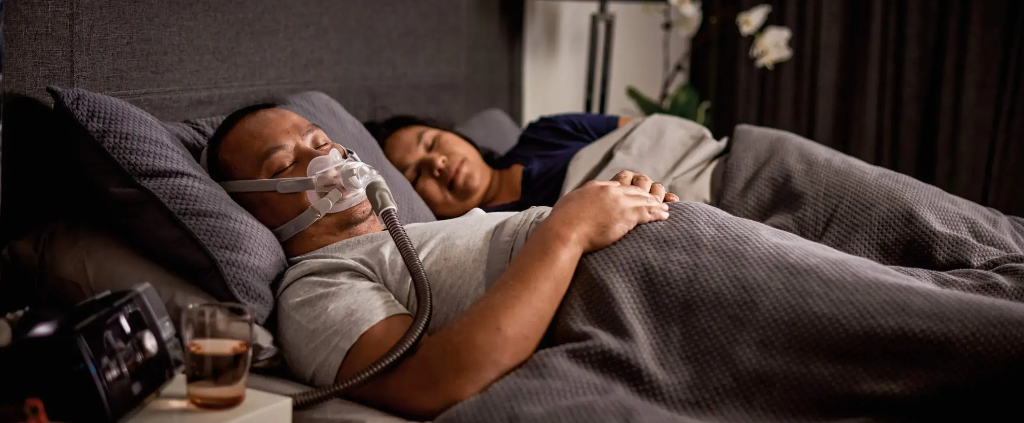
Therapy for Sleep Apnea: Complete Guide
Everything you need to know about how CPAP works, what to expect, and how to get the most out of treatment.

Why Am I Always Tired? A Sleep Physician Explains
Fatigue has many causes. Sleep apnea is one of the most common and most overlooked.
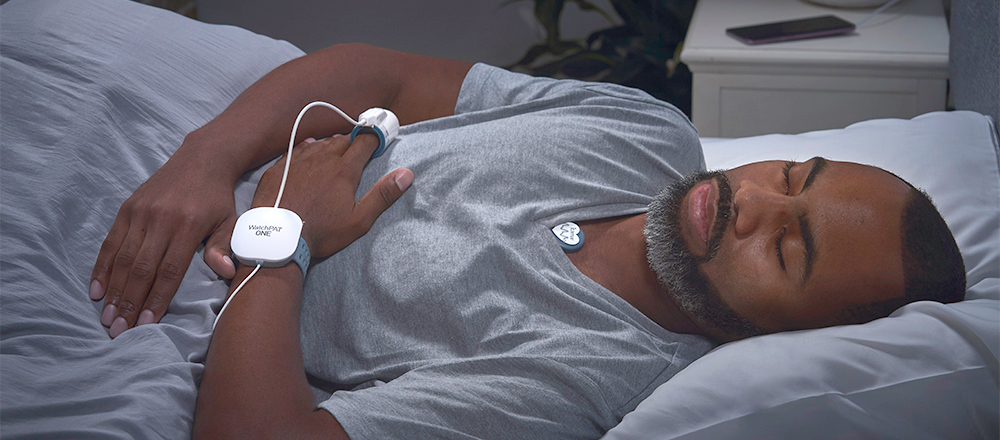
What to Expect From a Home Sleep Test
It's simpler than you think. Here's exactly what happens from the moment the device arrives.