What is Obstructive Sleep Apnea and Why Does It Matter?
Millions of Canadians have it and don't know it. Here's what's actually happening in your body while you sleep, and why it's worth paying attention to.
Somewhere between two and three million Canadians have obstructive sleep apnea. Most of them don't know it.
Not because the signs aren't there. They are. Fatigue that doesn't go away. Morning headaches. Waking up feeling like you never slept. A partner who nudges you in the night. But these signs are easy to explain away, and the traditional path to diagnosis has always been long enough that most people never complete it.
This article explains what obstructive sleep apnea actually is, what it does to the body over time, and why getting diagnosed sooner rather than later genuinely matters.
What is obstructive sleep apnea?
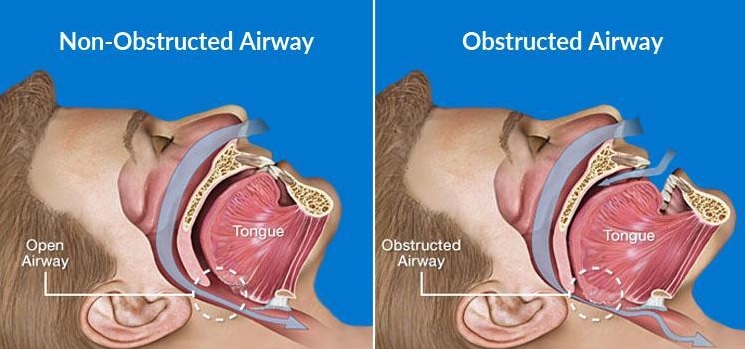
Obstructive sleep apnea, commonly abbreviated as OSA, is a sleep disorder in which the upper airway repeatedly collapses during sleep, causing breathing to partially or fully stop. These breathing pauses are called apneas, from the Greek word for breathless.
The obstruction is physical. During sleep, the muscles that normally hold the airway open relax. In people with OSA, this relaxation allows the soft tissues of the throat, including the tongue, soft palate, and surrounding structures, to fall back and block the flow of air. When airflow stops, oxygen levels in the blood begin to drop. The brain detects this and triggers a brief arousal response, just enough to tighten the airway muscles and resume breathing. Then sleep resumes, and the cycle starts again.
This can happen five times an hour. It can happen fifty. Most people have no memory of these arousals. From their perspective, they slept through the night. From their body's perspective, they spent the night in a state of repeated physiological stress.
What's the difference between obstructive and central sleep apnea?
There are two main types of sleep apnea. Obstructive sleep apnea, which is by far the most common, is caused by a physical blockage of the airway as described above. Central sleep apnea is less common and involves the brain failing to send the correct signals to the breathing muscles, so the airway stays open but breathing still stops. A third type, complex sleep apnea, combines elements of both.
When people talk about sleep apnea in general, they are almost always referring to the obstructive type. This article focuses on OSA.
Who gets it?
The short answer is: more people than you'd expect, across a much wider range of ages, body types, and demographics than the stereotype suggests.
Risk factors include:
- Excess weight, particularly around the neck and upper airway
- Anatomical features such as a narrow airway, large tonsils, or a recessed jaw
- Male sex, though the gap closes significantly after menopause in women
- Age, with risk increasing through middle adulthood
- Family history of sleep apnea
- Smoking and alcohol use, both of which relax airway muscles
- Nasal congestion from allergies or anatomical causes
But it's important to be clear: sleep apnea affects people who don't fit any of these categories. Women are significantly underdiagnosed. Younger adults and people at healthy weights have it. The stereotype of the overweight, middle-aged, heavily snoring man describes one presentation of sleep apnea, not all of them.
What does it feel like to have it?
Usually, the most prominent feeling is tiredness. Not the kind that a good night of sleep fixes, but a persistent, heavy fatigue that follows you through the day regardless of how many hours you spent in bed.
Other common experiences include:
- Waking up with a headache or dry mouth
- Feeling unrefreshed in the morning
- Difficulty concentrating or remembering things during the day
- Irritability, low mood, or reduced motivation
- Falling asleep easily during passive activities, reading, watching television, sitting in meetings
- Waking during the night, sometimes gasping or with a sense of choking
- Frequent nighttime urination
- Reduced libido
A partner may notice the snoring, the pauses in breathing, the gasping, or the restless sleep before the person with sleep apnea connects the dots themselves.
Why does it matter if it goes untreated?
This is the part that most people don't fully appreciate until they're sitting with a diagnosis in hand.
Sleep apnea is not just a sleep problem. The repeated cycles of oxygen deprivation and physiological arousal throughout the night put sustained stress on virtually every major system in the body.
Cardiovascular system: untreated OSA is strongly associated with high blood pressure, which is often resistant to medication until the sleep apnea is treated. It significantly increases the risk of heart attack, stroke, atrial fibrillation, and heart failure. The relationship between OSA and cardiovascular disease is one of the most well-established in sleep medicine.
Metabolic health: sleep apnea disrupts glucose metabolism and is associated with an increased risk of type 2 diabetes. It also makes weight management harder, partly because disrupted sleep affects the hormones that regulate appetite and energy expenditure.
Brain and cognition: chronic sleep fragmentation from untreated OSA impairs memory, attention, and executive function. There is growing evidence linking long-term untreated OSA to an increased risk of cognitive decline and dementia.
Mental health: the relationship between sleep apnea and depression is bidirectional. Sleep apnea causes symptoms that look like depression, and depression can worsen sleep quality. Many people treated successfully for sleep apnea report significant improvements in mood that they hadn't even connected to their sleep.
Driving and safety: daytime sleepiness from untreated OSA significantly increases the risk of motor vehicle accidents. In Canada, physicians are required to report patients with untreated OSA who drive professionally in some provinces.
What happens after diagnosis?
For most patients with obstructive sleep apnea, CPAP therapy is the recommended treatment. It's the most effective intervention available and has decades of evidence behind it. When used consistently, it eliminates apnea events, restores sleep quality, reduces cardiovascular risk, and, for most people, produces a noticeable improvement in energy and quality of life within the first week.
Other options exist for patients who cannot tolerate CPAP, including oral appliance therapy and positional treatment. Your physician will discuss what's right for your specific situation.
The important thing to understand is that treatment works. Sleep apnea is not something you manage by living with it. It's something you treat, and the difference that treatment makes is, for most patients, significant.
Think you might have sleep apnea?
Take the free two-minute screening. It's the same tool physicians use to assess risk, and it takes less than two minutes.
Keep Reading
More from the Educational Hub
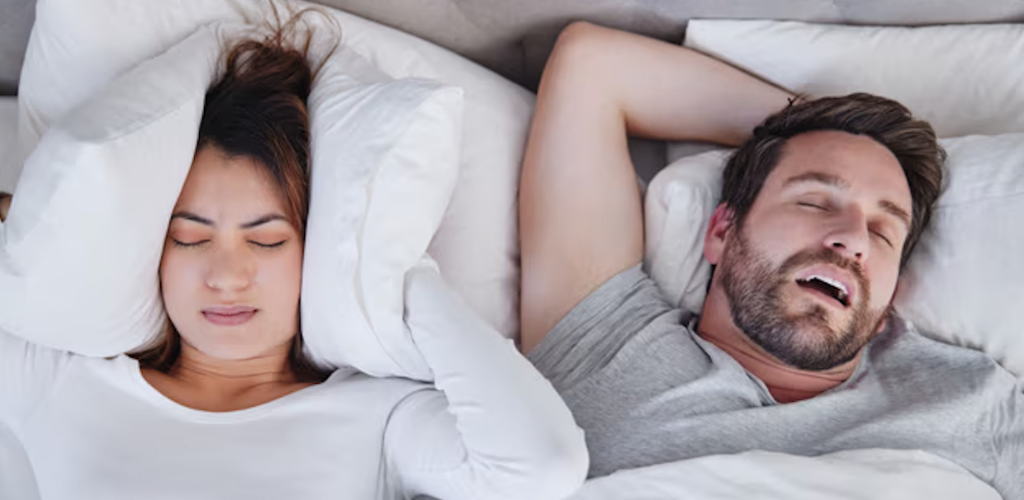
Is Snoring Dangerous? What Your Nightly Noise Might Be Telling You
Not all snoring is harmless. Here's how to tell the difference.
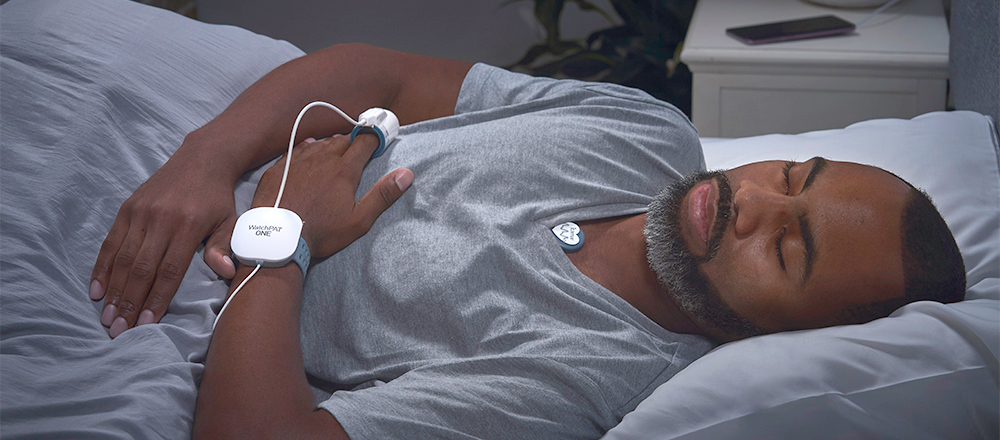
What to Expect From a Home Sleep Test
It's simpler than you think. Here's exactly what happens from the moment the device arrives.
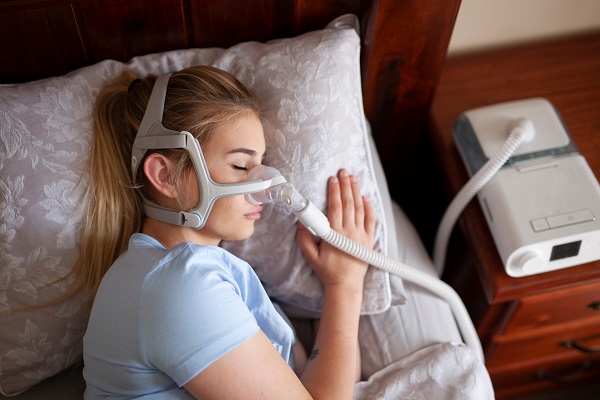
CPAP: What It Is, How It Works, and Whether It's Right for You
CPAP is the gold standard treatment for sleep apnea. Here's what life with it actually looks like.