CPAP: What It Is, How It Works, and Whether It's Right for You
CPAP is the gold standard treatment for sleep apnea. Here's what life with it actually looks like.
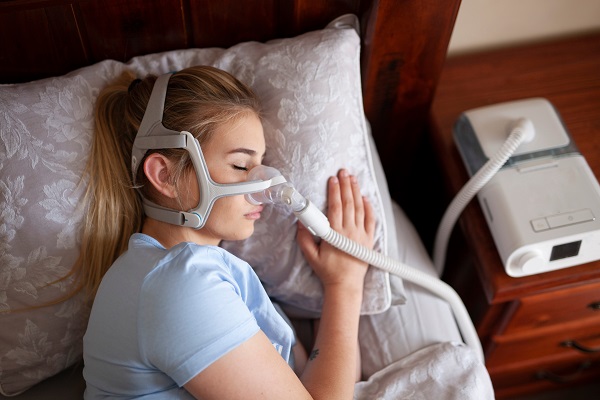
If you've just been diagnosed with sleep apnea, there's a good chance the first thing your physician mentioned was CPAP. And there's a good chance your first reaction was something between skepticism and mild dread.
A mask. A machine. Every night. For the rest of your life.
That reaction is completely understandable. CPAP has an image problem. The reality, for most people who stick with it, is far better than the image suggests. This article explains what CPAP actually is, how it works, what the adjustment period looks like, and how to know whether it's the right treatment for you.
What is CPAP?
CPAP stands for Continuous Positive Airway Pressure. It's a small machine that sits on your bedside table and delivers a steady, gentle stream of pressurized air through a mask you wear while you sleep.
That air pressure acts as a pneumatic splint, keeping your airway open so it can't collapse the way it does during sleep apnea. Every time your airway would normally narrow or close, the air pressure holds it open. Your breathing stays continuous. Your brain never has to wake you up to reopen the airway. Your sleep, for the first time in possibly years, is uninterrupted.
Why is it considered the gold standard?
Because it works, consistently, across decades of research and millions of patients.
CPAP doesn't just reduce the number of apnea events. Used correctly, it eliminates them almost entirely. The downstream effects are significant. Blood pressure drops. Cardiovascular risk decreases. Daytime energy improves. Concentration sharpens. Mood stabilizes. Most people who adapt successfully to CPAP describe it as genuinely life-changing — not in a marketing sense, but in the sense that they finally understand what it feels like to actually rest.
No other treatment for obstructive sleep apnea has the same breadth of clinical evidence behind it.
What does the equipment actually look like?
Modern CPAP machines are smaller, quieter, and more sophisticated than the equipment most people picture. The machine itself is roughly the size of a small speaker. It runs near-silently. Many models have humidifiers built in to prevent dryness, auto-adjusting pressure that responds to your breathing in real time, and companion apps that show you your sleep data each morning.
The mask comes in several styles:
- Nasal pillows: small soft inserts that sit just inside the nostrils. Minimal contact with the face, good for people who feel claustrophobic.
- Nasal mask: covers the nose only. The most common starting point for new users.
- Full face mask: covers both nose and mouth. Recommended if you breathe through your mouth during sleep.
Finding the right mask fit is one of the most important parts of getting started. A well-fitted mask makes all the difference.
What is the adjustment period like?
Honest answer: the first one to two weeks can be uncomfortable. Wearing something on your face while you sleep is unfamiliar. The sensation of pressurized air takes getting used to. Some people feel claustrophobic initially. Others find the sound distracting, even though modern machines are very quiet.
This is normal, and it's also the phase where most people give up. That's a shame, because for the majority of patients, the adjustment period passes.
A few things that help:
- Wear the mask for short periods while awake first — reading or watching television — to get used to the sensation before trying to sleep in it
- Start with a lower pressure setting if your machine allows it and gradually increase
- Make sure your mask fits properly. Leaks cause noise and discomfort and are usually a fit problem, not an equipment problem
- Use the humidifier if your machine has one. Dryness and congestion are common early complaints that humidification significantly reduces
- Give it at least three to four weeks before deciding it isn't working
What if CPAP doesn't work for me?
CPAP is highly effective but it isn't for everyone. A small percentage of patients genuinely cannot tolerate it despite a good-faith effort. For those patients, there are alternatives worth discussing with your physician:
- BiPAP (Bilevel Positive Airway Pressure): delivers different pressure levels for inhaling and exhaling. Often more comfortable for people who struggle with the continuous pressure of standard CPAP.
- Oral appliance therapy: a custom-fitted dental device that repositions the jaw and tongue to keep the airway open. Less effective than CPAP for severe apnea but a legitimate option for mild to moderate cases.
- Positional therapy: for patients whose apnea occurs primarily when sleeping on their back, positional devices or training can significantly reduce events.
- Surgery: in select cases, surgical options to modify airway anatomy may be appropriate. This is typically considered after other treatments have been tried.
Your physician will help you navigate which option fits your specific situation, severity, and anatomy.
How do you know if CPAP is working?
Most people feel a noticeable difference within the first week. The tiredness that has been following them around starts to lift. Morning headaches disappear. Partners comment that the snoring has stopped. Concentration improves.
Modern CPAP machines track your data nightly and can show you your AHI — the number of apnea events per hour — each morning. A well-treated AHI is below five. Your physician will review this data at your follow-up to confirm the therapy is effective and adjust settings if needed.
Where do you start?
If you haven't been diagnosed yet, the first step is finding out whether you have sleep apnea. The free screening below takes two minutes and will tell you whether a conversation with a physician makes sense. From there, a home sleep test can confirm the diagnosis in a single night, and your physician will walk you through treatment options based on your specific results.
If you've already been diagnosed and want to discuss CPAP or explore alternatives, a virtual consultation is the right next step.
Not sure where you stand?
Take the free one-minute screening. It's the same tool physicians use to assess sleep apnea risk.
Keep Reading
More from the Educational Hub
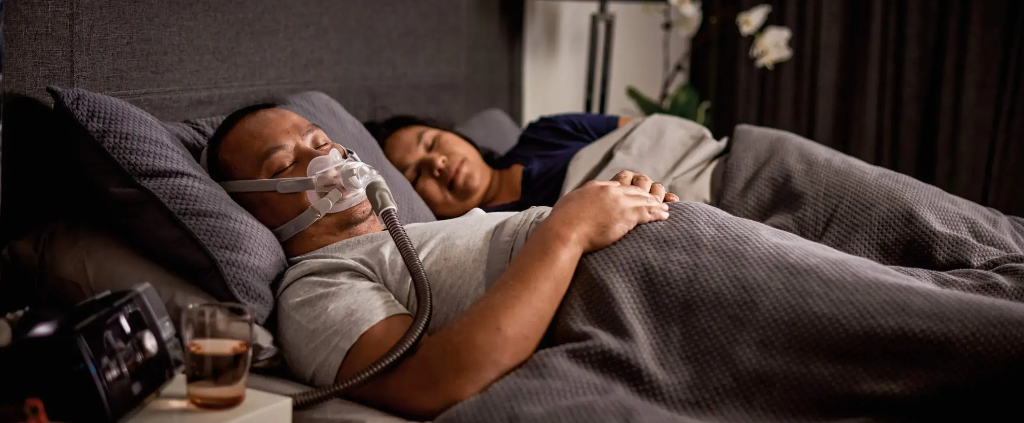
Therapy for Sleep Apnea: Complete Guide
Everything you need to know about how CPAP works, what to expect, and how to get the most out of treatment.
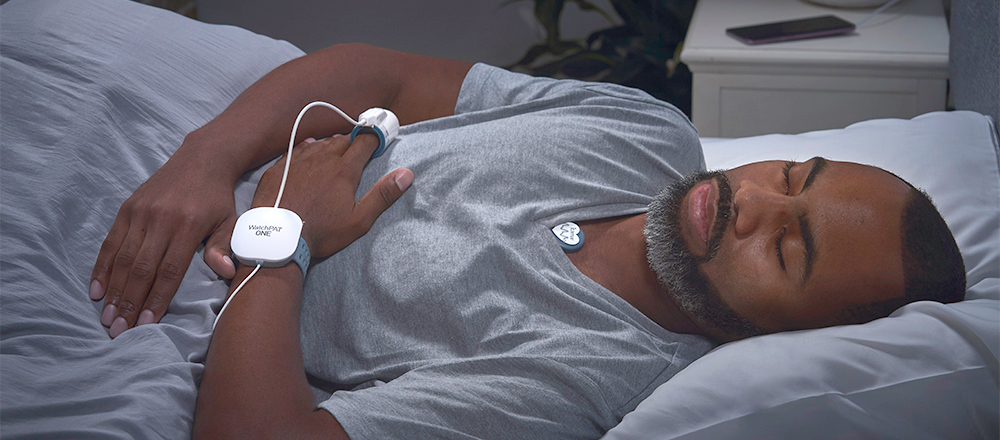
What to Expect From a Home Sleep Test
It's simpler than you think. Here's exactly what happens from the moment the device arrives.

Why Am I Always Tired? A Sleep Physician Explains
Fatigue has many causes. Sleep apnea is one of the most common and most overlooked.