Sleep Apnea and Insomnia: When You Have Both at Once
It's more common than most people realize, and it requires a different approach to treatment.
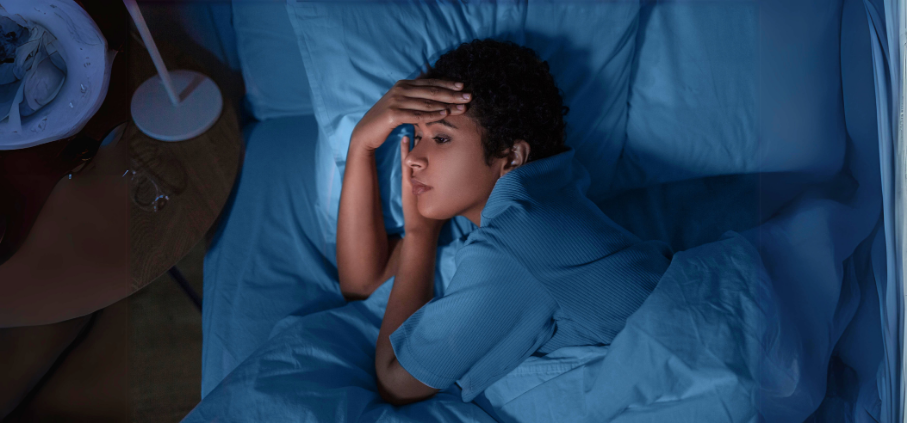
You can't fall asleep. Or you fall asleep fine but wake at 2am and lie there for hours. You've tried everything: no screens before bed, no caffeine after noon, a consistent schedule. Nothing works. You're exhausted but wired. Tired but unable to rest.
This is insomnia. And for a significant number of people who have it, there's something else going on underneath that nobody has looked for yet.
The overlap between insomnia and obstructive sleep apnea is more common than most physicians and patients realize. When both are present at the same time, it has a name: COMISA, which stands for Comorbid Insomnia and Sleep Apnea. And it requires a different approach to treatment than either condition alone.
What is insomnia, exactly?
Insomnia is a sleep disorder characterized by persistent difficulty falling asleep, staying asleep, or waking too early, despite having adequate time and opportunity to sleep. It's not just the occasional bad night. Chronic insomnia is diagnosed when the difficulty occurs at least three nights per week for at least three months and causes meaningful daytime impairment.
It's one of the most common sleep disorders in the world. And it's one of the most undertreated, partly because it gets normalized and partly because many people don't realize it's a medical condition with effective treatments.
What is COMISA?
COMISA is the clinical term for having both insomnia and obstructive sleep apnea simultaneously. Research suggests that somewhere between 30 and 50 percent of people with sleep apnea also meet the criteria for insomnia. Among people with insomnia, studies have found that a substantial proportion also have undiagnosed sleep apnea.
In other words, if you have one, there's a meaningful chance you have the other.
The two conditions interact in ways that make both worse. Sleep apnea fragments sleep and triggers arousal responses throughout the night. Over time, those repeated arousals can condition the brain to associate the bed with wakefulness, which is exactly the mechanism that drives insomnia. Meanwhile, the anxiety and hyperarousal of insomnia can worsen breathing during sleep, increasing the frequency and severity of apnea events. Each condition feeds the other.
Why does COMISA get missed so often?
A few reasons.
- The symptoms overlap in confusing ways. Both conditions cause fatigue, difficulty concentrating, mood changes, and unrefreshing sleep. It's easy to attribute everything to insomnia and never look for sleep apnea underneath.
- The classic presentation of sleep apnea — loud snoring and obvious gasping — isn't always present in COMISA patients. People with insomnia often have lighter, more fragmented sleep, which can mask the typical snoring pattern. The apnea is happening, but it doesn't look the way people expect.
- People with insomnia are often told to avoid sleep studies because disrupted sleep in a lab or at home might not reflect their typical pattern. This reasoning has some merit but has led to a systematic under-investigation of sleep apnea in the insomnia population.
How does treatment change when both are present?
This is where COMISA gets genuinely complicated, and why it matters to identify both conditions.
The standard first-line treatment for insomnia is Cognitive Behavioral Therapy for Insomnia, known as CBT-I. It's a structured program that addresses the thoughts, behaviors, and habits that perpetuate insomnia. It's highly effective and is recommended over sleep medication by most clinical guidelines.
The standard treatment for sleep apnea is CPAP.
When both are present, starting with CPAP alone often doesn't resolve the insomnia. The behavioral and cognitive patterns that sustain insomnia don't disappear just because the breathing improves. And starting CBT-I without addressing the sleep apnea can be less effective because the underlying physiological disruption is still occurring.
The most effective approach for COMISA is to treat both conditions, ideally in a coordinated way. CPAP addresses the breathing. CBT-I addresses the behavioral and psychological patterns. Together they work significantly better than either alone.
What about sleep medication?
Sleep medication is sometimes used short-term to help with the adjustment period in COMISA treatment, particularly when starting CPAP is difficult due to insomnia-related hyperarousal. However, medication alone does not address the underlying causes of either condition and is not recommended as a long-term solution for chronic insomnia.
Your physician will discuss whether any short-term support is appropriate for your specific situation.
What should you do if this sounds like you?
If you have chronic insomnia and haven't been assessed for sleep apnea, it's worth finding out whether the two are connected. The free screening below takes two minutes and uses the STOP-BANG questionnaire, a validated tool used by physicians worldwide to assess sleep apnea risk.
If your score suggests moderate or high risk, a virtual consultation with one of our sleep physicians is the right next step. They can assess both conditions together and recommend a treatment approach that addresses the full picture, not just one piece of it.
Could sleep apnea be behind your insomnia?
Take the free one-minute screening. It's the same tool physicians use to assess sleep apnea risk.
Keep Reading
More from the Educational Hub
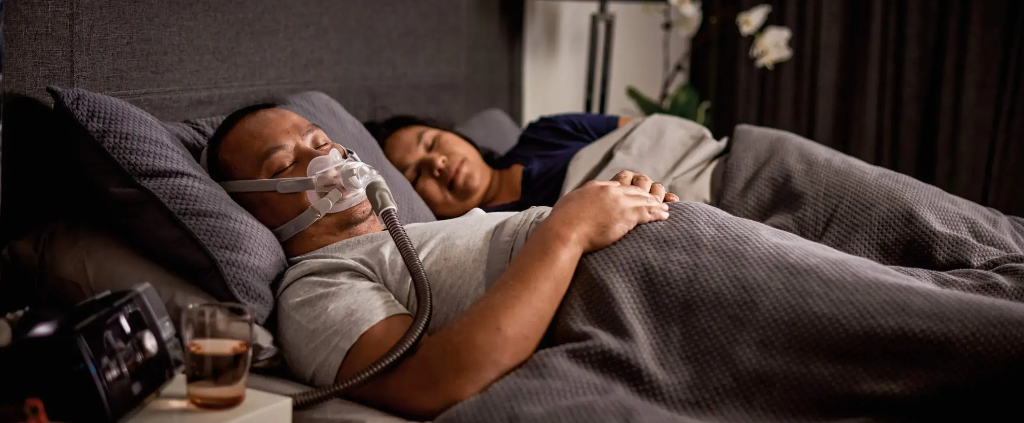
Therapy for Sleep Apnea: Complete Guide
Everything you need to know about how CPAP works, what to expect, and how to get the most out of treatment.
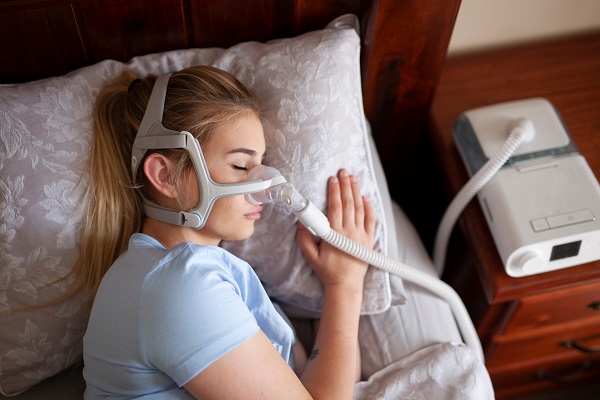
CPAP: What It Is, How It Works, and Whether It's Right for You
CPAP is the gold standard treatment for sleep apnea. Here's what life with it actually looks like.

Why Am I Always Tired? A Sleep Physician Explains
Fatigue has many causes. Sleep apnea is one of the most common and most overlooked.