What Is CPAP Therapy?
Placeholder content explaining what CPAP is, how it works, and what the first few weeks can feel like.
Placeholder content: this article uses the same page structure, spacing, typography, and read-time treatment as the existing article pages.
Placeholder content: finalized educational copy can be dropped into this layout later.
What does CPAP do?
Placeholder content: CPAP delivers a steady stream of pressurized air through a mask to help keep the airway open during sleep.
Placeholder content: it is commonly recommended for obstructive sleep apnea and remains the most established treatment option for many patients.
Types of CPAP Masks
Choosing the right mask is critical for comfort and effectiveness.
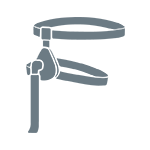
Nasal mask
This mask only covers your nose. It is the most common option and works well for most patients.

Full face mask
This mask covers your nose and mouth. It is useful for mouth breathers or patients who experience air leaks with a nasal mask.

Nasal pillows
This mask uses soft silicone tubes that fit directly into the nostrils. A good option for patients who experience air leaks or don't like the feeling of a mask over their face.
A proper fit ensures a good seal, prevents air leaks, and maintains consistent pressure.
Who should discuss it with a physician?
Placeholder content: anyone diagnosed with sleep apnea or struggling with daytime fatigue, loud snoring, or witnessed breathing pauses should speak with a clinician.
Placeholder content: the right therapy depends on diagnosis, severity, comfort, and the patient’s overall goals.