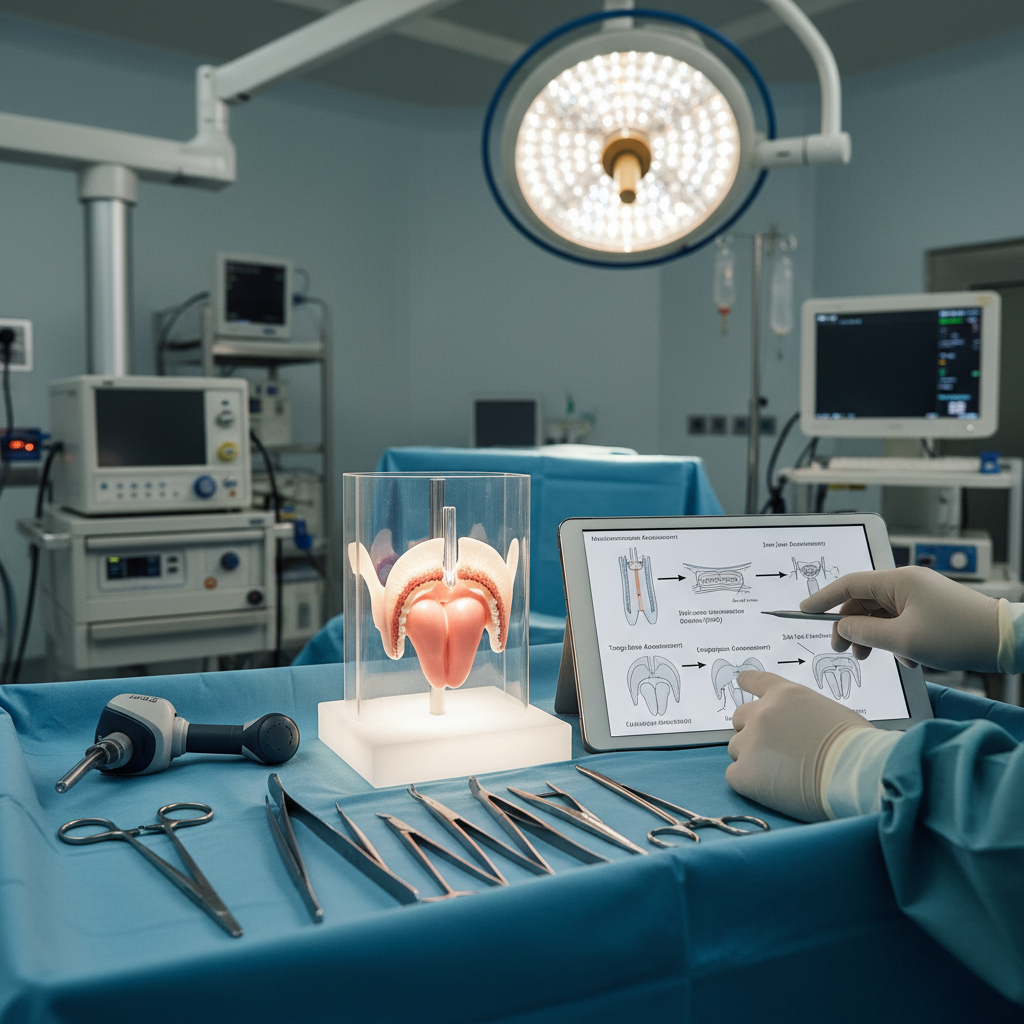
Surgical Options for Sleep Apnea
When CPAP and appliances aren't the right fit, surgery may be an option. Here's what the evidence actually says.

What is surgery for sleep apnea?
Surgery may be part of the treatment plan for some patients with sleep apnea or snoring — typically when CPAP therapy isn't tolerated. The goal is to treat the areas of the airway that collapse and block breathing during sleep, by stiffening, removing, or repositioning tissues in and around the throat.
Surgical targets may include the soft palate and uvula, tonsils and adenoids, tongue, and upper or lower jaw. Weight loss surgery may also help in patients with severe obesity.
Surgery is a team effort. Your sleep doctor diagnoses the condition, examines the upper airway, and coordinates with a surgeon — typically an otolaryngologist or oral maxillofacial surgeon. A follow-up sleep study is usually done after surgery to assess results.
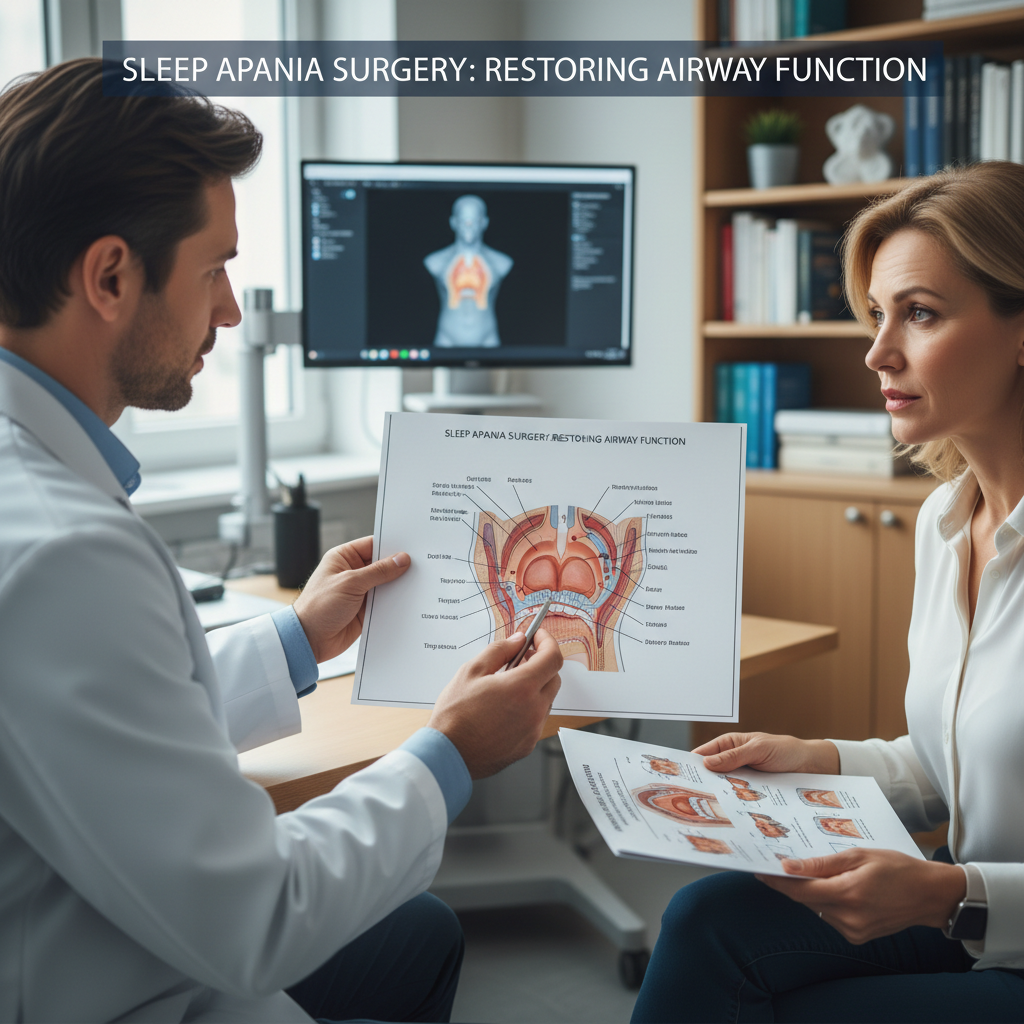
Questions to ask before proceeding
If you are considering surgery, ask your doctor:
What is the success rate of this procedure?
How long is the recovery, and how much work or school will I miss?
Why is surgery a better option for me than CPAP or oral appliance therapy?
What are all the possible risks and side effects?
Could sleep apnea return after surgery?
Important: surgery is not right for everyone. Side effects may include pain, bleeding, throat swelling, dietary restrictions for several weeks, and an overnight hospital stay. In some cases the benefits are not permanent.
What are the surgical options?
Uvulopalatopharyngoplasty (UPPP)
The most common surgery for sleep apnea. It removes and repositions excess tissue at the back of the throat to widen the airway — trimming the soft palate and uvula, removing tonsils, and repositioning soft palate muscles. UPPP alone is unlikely to resolve moderate to severe sleep apnea and is often combined with other procedures.
Upper airway stimulation therapy
A small implanted device monitors breathing during sleep and stimulates the nerve controlling tongue movement, keeping the airway open. Eligible patients must have moderate to severe sleep apnea, be unable to tolerate CPAP, be at least 22 years old, and not be significantly overweight. A sleep study is required before and after the procedure.
Radiofrequency volumetric tissue reduction (RFVTR)
A heated instrument shrinks and tightens tissues in and around the throat, including the soft palate, tonsils, and tongue.
Septoplasty and turbinate reduction
These procedures open the nasal passage to improve airflow. Septoplasty straightens a deviated nasal septum; turbinate reduction removes or reduces enlarged nasal structures. These rarely treat obstructive sleep apnea directly but may allow more CPAP mask options and lower required pressures.
Genioglossus advancement
Moves the tongue's main attachment point forward, opening space behind the tongue where blockage commonly occurs. Involves a targeted cut in the lower jaw — not the entire jaw.
Hyoid suspension
Pulls the hyoid bone (a U-shaped bone in the neck to which the tongue and epiglottis attach) forward and secures it, enlarging the lower throat space.
Maxillomandibular advancement (MMA)
Moves the upper and/or lower jaw forward to enlarge the breathing space throughout the entire throat. A significant procedure: jaw bones are cut and repositioned, healing over months. Jaws may be banded shut for a few days, and dietary restrictions apply for several weeks. Orthodontic work is required to realign the bite.
Palatal implants
Small fiber rods inserted into the soft palate to stiffen the tissue and reduce airway collapse. May be effective for snoring or mild sleep apnea.
Weight loss surgery
Bariatric surgery can promote significant weight loss and may improve sleep apnea in people with severe obesity. CPAP is typically recommended both before and after the procedure.
Laser-assisted uvuloplasty (LAUP)
Not routinely recommended for sleep apnea. Less painful than UPPP but also less effective.
Tracheostomy
An effective but drastic option reserved for rare emergency situations. A breathing tube is placed directly into the windpipe — plugged during the day, open at night to bypass any throat obstruction. Almost always a last resort.