Sleep: An Essential Part of Growing Up
Children need more sleep than adults, and the consequences of not getting enough go far beyond tiredness. Here's what parents should know.
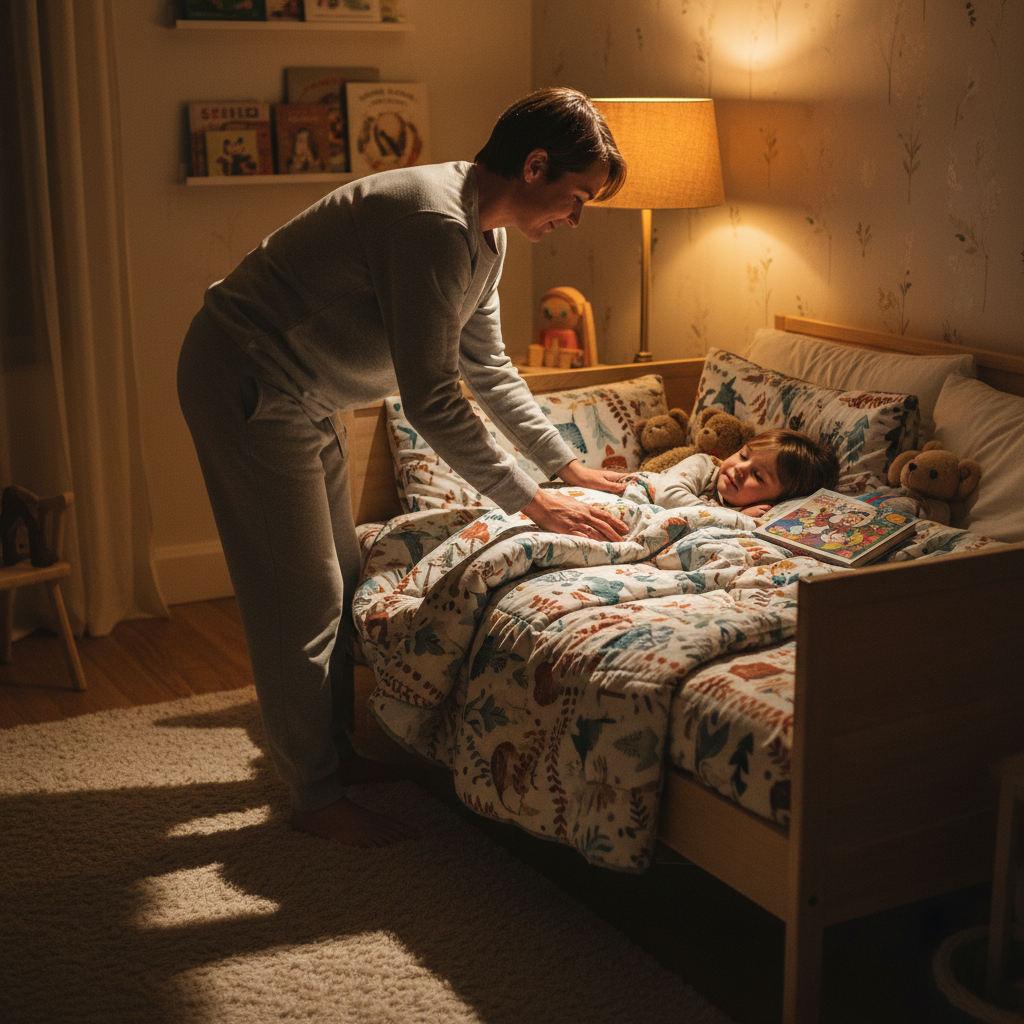
Why sleep is falling short
Modern schedules make it harder for families to maintain consistent routines. Bedtimes drift later, sleep becomes irregular, and children often get less rest than they need. Even mild sleep loss can affect behavior, attention, mood, and learning. When a child starts struggling with tasks or daily activities, sleep quantity and quality should be assessed early.
Sleep is frequently underestimated as a driver of outcomes. Behavioral issues, cognitive difficulties, and even physical health problems are often evaluated without considering sleep as a contributing factor. When concerns arise around mood, school performance, or behavior, parents may look for complex explanations, while an underlying sleep deficit goes unnoticed.
What a proper sleep evaluation includes
A thorough review of a child's sleep habits should cover:
- Time it takes to fall asleep
- Bedtime routine and consistency
- Regularity of sleep and wake times
- Night awakenings
- Sleep environment (light, noise, temperature, devices)
- Overall sleep patterns and total duration
When sleep loss is mistaken for something else
Chronic sleep deprivation is a common but overlooked cause of performance and behavioral issues. In many cultures, long hours of study and packed schedules are encouraged, often at the expense of rest. Sleep is treated as optional rather than essential.
Insufficient sleep can present in ways that are easy to misinterpret. Children may not appear tired — instead, they may show:
Cognitive impact
Reduced attention span, difficulty learning, and poor memory consolidation.
Behavioral changes
Impulsivity, poor judgment, irritability, emotional reactivity, or aggression.
Physical signs
Hyperactivity, restlessness, increased appetite, and sugar cravings.
Performance decline
Low motivation, declining school performance, and difficulty waking or falling asleep.
These symptoms can resemble conditions such as ADHD or oppositional behavior, leading to misdiagnosis if sleep is not considered first.
Why sleep matters so much
Sleep plays a critical role in brain development, memory consolidation, emotional regulation, and physical recovery. It also supports immune function. Chronic sleep deprivation weakens the body's ability to fight infections and, over time, contributes to risks such as obesity, metabolic issues, and cardiovascular problems.

How much sleep does a child need?
How to improve sleep
Treat sleep as a non-negotiable priority
Maintain a consistent bedtime and wake time, including weekends
Establish a predictable, calming bedtime routine
Keep the bedroom dark, cool, and quiet
Remove screens and stimulating activities from the sleep environment
Use the bed only for sleep
Avoid caffeine in the afternoon and evening
Ensure children fall asleep in their own beds

When to seek help
If sleep issues persist or symptoms are significant, a clinical evaluation is warranted. Addressing sleep early often resolves or significantly reduces behavioral and performance concerns.