Understanding REM Sleep Behaviour Disorder (RBD)

REM sleep behavior disorder (RBD) is a sleep disorder where people physically act out their dreams while asleep. These dreams are often vivid, intense, or action-filled, and the body may respond with movements, talking, shouting, or sudden actions during the night.
Normally during REM sleep, the body stays temporarily "paralyzed" so we do not act out our dreams. In people with RBD, this protective mechanism does not work properly.
RBD can sometimes lead to injuries to the person sleeping or to their bed partner. Many people do not realize they have the condition until a partner notices unusual behaviors during sleep.
What Happens During an RBD Episode?
People with RBD may:
- Talk, shout, or swear in their sleep
- Punch, kick, grab, or flail their arms
- Jump or fall out of bed
- React physically to vivid dreams
The movements usually match the content of the dream. For example, someone dreaming they are being chased may suddenly jump or run. Someone dreaming about sports may punch or dive in bed.
Unlike sleepwalking, people with RBD:
- Usually wake up quickly and become alert
- Often remember the dream clearly
- Rarely walk around the house or leave the bedroom
Episodes typically happen during REM sleep, which occurs later in the night and repeats every 1.5 to 2 hours. Some people experience episodes several times a week, while others may only have them occasionally.
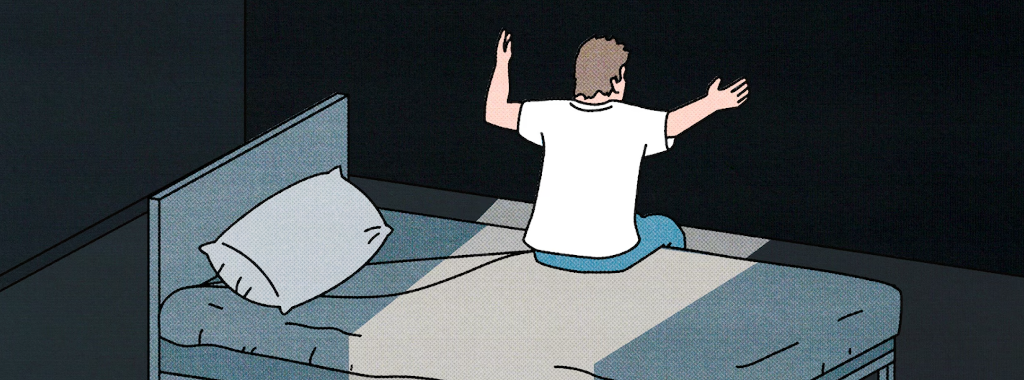
Common Symptoms of REM Sleep Behavior Disorder
Someone with RBD may:
- Kick, punch, jump, or shout while asleep
- Act out vivid dreams
- Accidentally injure themselves or their partner
- Wake up remembering detailed dreams
- Have a bed partner concerned about unusual nighttime behaviors
RBD itself does not usually cause daytime sleepiness, but it is commonly linked with other sleep disorders that can affect sleep quality.
Conditions Commonly Associated With RBD
People with RBD may also have:
- Obstructive sleep apnea
- Periodic limb movement disorder
- Narcolepsy
Treating these conditions may help improve overall sleep and reduce nighttime disruptions.
Who Is Most at Risk?
RBD is more common in:
- Men over age 50
- Older adults
- People with certain neurologic conditions
RBD has been associated with conditions such as:
- Parkinson disease
- Lewy body dementia
- Multiple system atrophy
Some people diagnosed with RBD may develop neurologic symptoms years later. Because of this, ongoing medical follow-up is important.
Other factors that may trigger or worsen RBD include:
- Sleep deprivation
- Alcohol use or alcohol withdrawal
- Certain medications
- Untreated sleep disorders
- Stress or disrupted sleep schedules
How Is RBD Diagnosed?
A sleep specialist will usually begin by reviewing:
- Your symptoms
- Your medical history
- Your sleep habits
- Reports from your bed partner
You may also be asked to:
- Keep a sleep diary
- Complete questionnaires about your sleep
- Discuss medications, alcohol use, or other sleep issues
Most patients will need an overnight sleep study called a polysomnogram.
This test monitors:
- Brain activity
- Breathing
- Heart rate
- Body movements during sleep
Some sleep studies also include video recording to capture unusual movements during the night.
How Is REM Sleep Behavior Disorder Treated?
Treatment focuses on reducing injury risk and improving sleep safety.
Safety Measures at Home
Recommended bedroom safety changes may include:
- Removing sharp or dangerous objects from the bedroom
- Moving furniture away from the bed
- Padding nearby furniture
- Sleeping on a lower bed
- Placing soft mats or rugs beside the bed
- Sleeping separately from a partner if injuries are occurring
Lifestyle and Sleep Recommendations
Patients with RBD are often advised to:
- Maintain a consistent sleep schedule
- Avoid sleep deprivation
- Limit or avoid alcohol
- Treat other sleep disorders such as sleep apnea
- Review medications with their doctor
Poor sleep and untreated sleep disorders can worsen symptoms.
Medications for RBD
RBD often responds well to treatment with medication. A sleep specialist can recommend the most appropriate option based on symptoms and medical history. Treatment plans are individualized and may change over time.
Travel Tips for Patients With RBD
Travel can sometimes worsen RBD because of disrupted sleep schedules and fatigue.
Helpful precautions while traveling include:
- Prioritizing good sleep during trips
- Informing travel companions about the condition
- Sleeping at a safe distance from others if needed
- Continuing treatments such as CPAP therapy if prescribed
- Speaking with your doctor before travel if symptoms are severe