GLP-1 Medications and Sleep Apnea
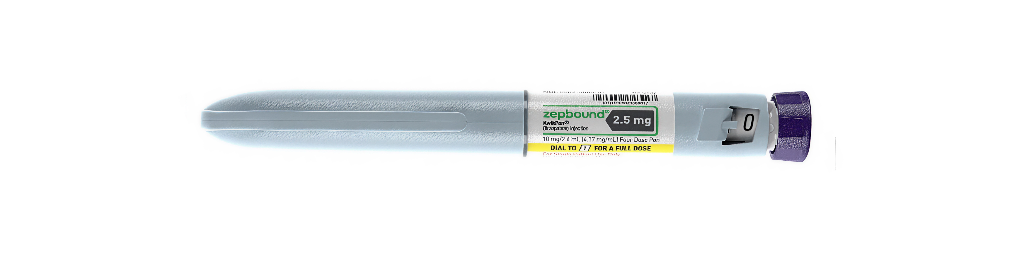
For many years, treatment for obstructive sleep apnea (OSA) focused mainly on CPAP machines, oral appliances, weight management, and surgery. A newer option is now gaining attention: GLP-1 medications such as tirzepatide.
Tirzepatide became the first FDA-approved medication for moderate to severe obstructive sleep apnea in adults with obesity. Research shows it may help people breathe better during sleep while also supporting weight loss, lowering blood pressure, and improving daytime energy and sleep quality.
What Is Tirzepatide?
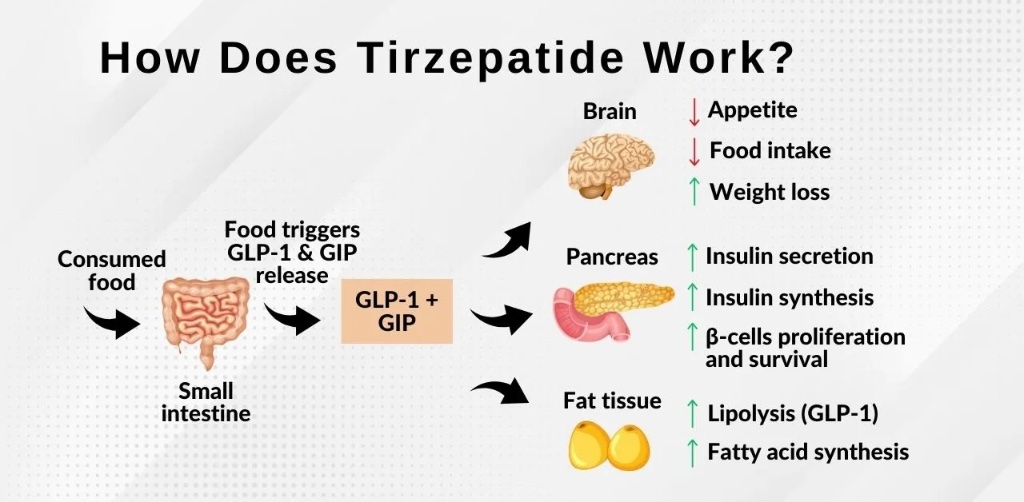
Tirzepatide is a once-weekly injectable medication originally developed to treat type 2 diabetes and support weight loss. It belongs to a group of medications called GLP-1 receptor agonists.
These medications help regulate:
- Appetite
- Blood sugar
- Digestion
- Body weight
Because excess weight is one of the biggest risk factors for obstructive sleep apnea, losing weight can help reduce airway blockage during sleep and improve breathing overnight.
How Effective Is It for Sleep Apnea?
Studies showed meaningful improvements in sleep apnea symptoms among adults with obesity and moderate to severe OSA.
Key Study Results
Patients treated with tirzepatide experienced:
- A reduction in apnea-hypopnea index (AHI) of 29.3 events per hour
- Compared to only 5.5 events per hour in the placebo group
The apnea-hypopnea index (AHI) measures how many times breathing slows down or stops during sleep. Lower numbers generally mean milder sleep apnea.
Researchers also found improvements in:
- Oxygen levels during sleep
- Body weight
- Blood pressure
- Daytime tiredness and sleep-related symptoms
More than 50% of patients improved enough that CPAP therapy may no longer have been necessary based on their updated AHI results.
Study Results of Tirzepatide for Sleep Apnea and Obesity
Who May Be a Candidate for Treatment?
Tirzepatide may be considered for adults who:
- Have moderate to severe obstructive sleep apnea
- Have obesity or excess body weight
- Have difficulty using CPAP regularly
- Have conditions such as high blood pressure or diabetes
- Would benefit from medical weight loss
This treatment is not right for everyone. A sleep specialist or healthcare provider can help determine whether it may be appropriate based on your medical history and sleep study results.
How Is Tirzepatide Administered?
Tirzepatide is:
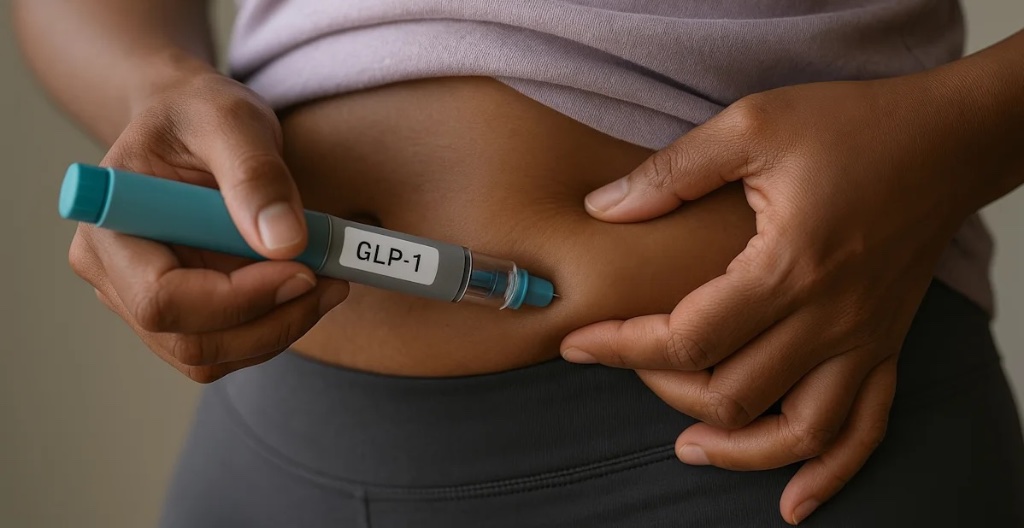
- Given as a once-weekly injection
- Injected under the skin of the abdomen, thigh, or upper arm
- Delivered using a pre-filled injection pen
Treatment usually starts with a low dose that is slowly increased over time to help reduce side effects. Most patients can give themselves the injection at home after receiving instructions from their healthcare provider.
How Long Does Treatment Last?
There is currently no fixed treatment duration.
Many patients stay on treatment long term to:
- Maintain weight loss
- Keep sleep apnea symptoms under control
- Support heart and metabolic health
Stopping the medication may lead to weight regain and worsening sleep apnea symptoms in some people. Regular follow-up appointments are important to monitor progress and adjust treatment if needed.
Possible Side Effects
Like all medications, tirzepatide can cause side effects.
Common Side Effects
The most common side effects involve the digestive system and may include:
- Nausea
- Vomiting
- Diarrhea
- Constipation
- Stomach discomfort
- Reduced appetite
These side effects are usually temporary and often improve as the body adjusts to treatment.
Less Common but Serious Risks
Rare but more serious side effects may include:
- Gallbladder problems
- Pancreatitis
- Severe dehydration
- Allergic reactions
Patients should contact their healthcare provider if they develop severe stomach pain, ongoing vomiting, or other concerning symptoms.
Important Considerations
While the early results are promising, tirzepatide is not a replacement for comprehensive sleep care.
Some patients may still benefit from:
- CPAP therapy
- Lifestyle changes
- Positional therapy
- Oral appliances
- Follow-up sleep studies
Research is still ongoing to better understand long-term results, safety, and which patients benefit the most.
Final Thoughts
GLP-1 medications such as tirzepatide represent an important new development in the treatment of obstructive sleep apnea associated with obesity.
For some patients, they may help:
- Reduce sleep apnea severity
- Improve sleep quality and daytime energy
- Support weight loss
- Lower cardiovascular risk
If you think you may be a candidate for treatment, speak with a sleep medicine specialist to discuss whether this option may be right for you.