Oral Appliance Therapy
Not everyone tolerates CPAP. Here's how a custom mouthguard can be an effective alternative for sleep apnea.
What is oral appliance therapy?
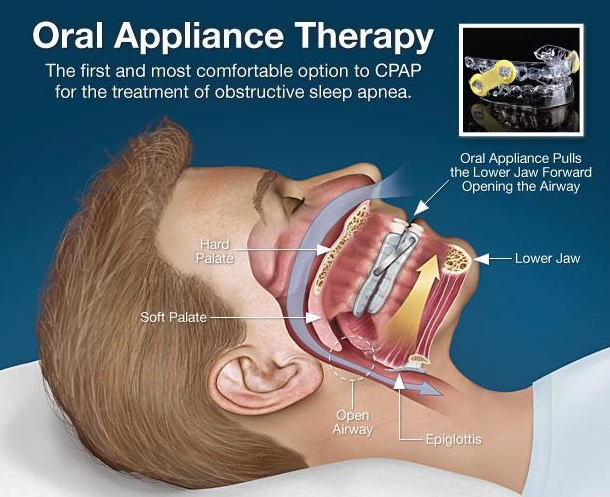
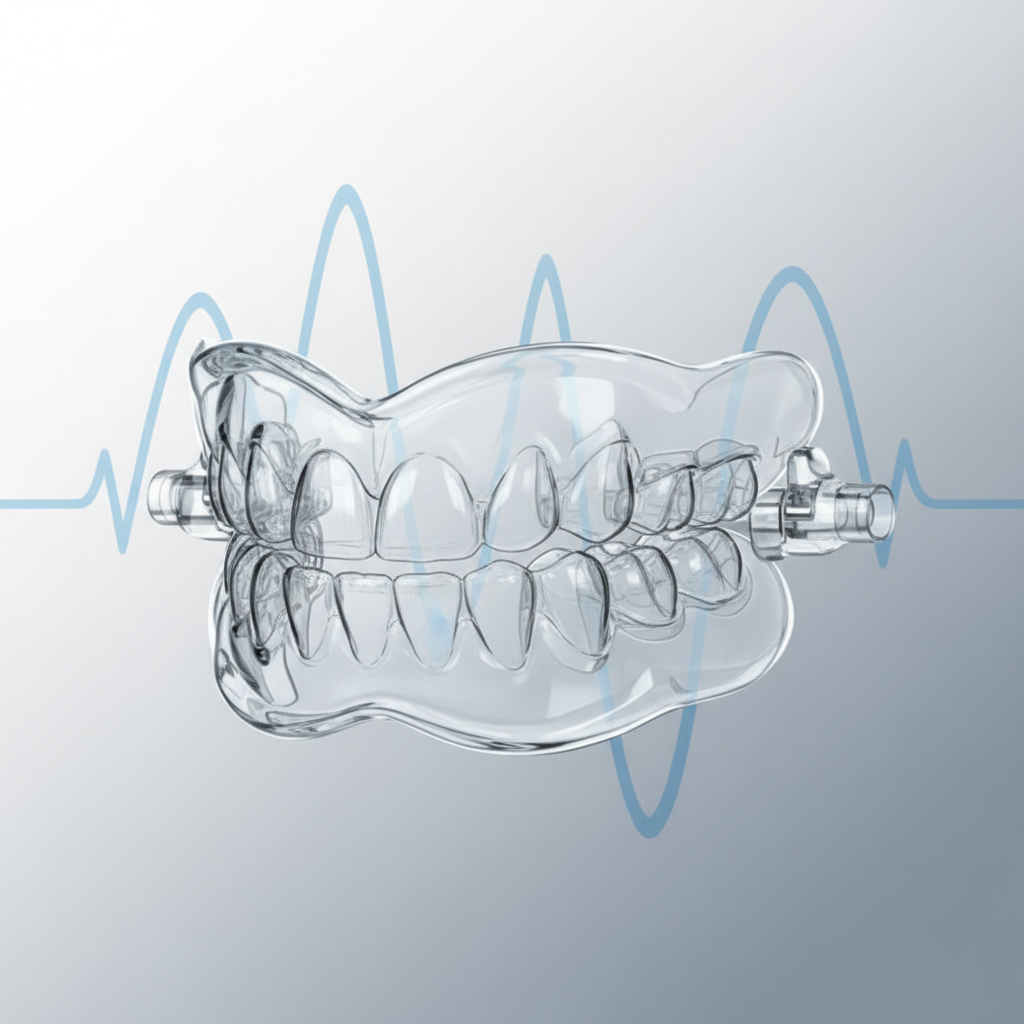
Oral appliance therapy is a treatment for snoring and sleep apnea. It involves wearing a removable device in your mouth while you sleep, similar in fit to a sports mouth guard or orthodontic retainer. The appliance works by preventing your airway from collapsing, either by holding the tongue in place or by supporting the jaw in a forward position. To work properly, an oral appliance must be custom fitted. Over-the-counter devices are not recommended as a treatment option for snoring or sleep apnea.
What are the types of oral appliances?
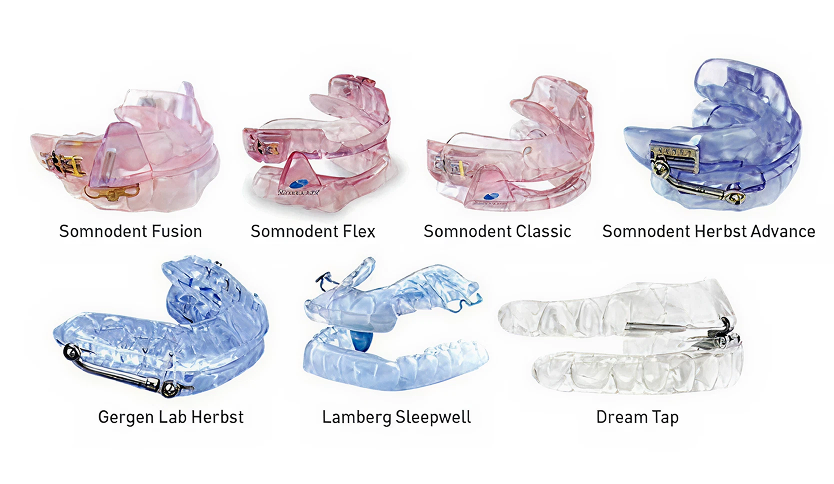
Most devices fall into one of two categories:
Mandibular repositioning devices — the most widely used type, these move your lower jaw slightly forward and down to keep the airway open during sleep.
Tongue retaining devices — these hold the tongue in a forward position to prevent it from blocking the airway.
Who is it for?
Oral appliance therapy is most effective for people with mild to moderate obstructive sleep apnea. CPAP remains the most effective treatment overall, but many patients prefer an oral appliance because it is small, quiet, and easier to use consistently.
Before a dentist can fit you with a device, a sleep physician must first diagnose you with sleep apnea using a sleep study or home sleep apnea test. Dentists who provide oral appliance therapy have specialized training in sleep-disordered breathing and work closely with your sleep team.
What are the benefits?
For mild to moderate sleep apnea, oral appliance therapy offers many of the same health benefits as CPAP — including reduced risk of heart disease, stroke, and diabetes, as well as improvements in daytime alertness, concentration, and mood.
Additional practical benefits include:
Ease of use — most patients adjust within a few weeks
Portability — small enough to fit in a purse or carry-on bag, making travel straightforward
What are the possible side effects?
Oral appliance therapy may cause frequent but minor side effects. These include:
- Excessive salivation
- Dry mouth
- Tooth and jaw discomfort
- Temporary bite changes
Some patients experience potential complications such as:
- Jaw pain
- Permanent changes to your bite
- TMJ symptoms
These complications can be managed by the sleep team. Your dentist will work closely with your sleep doctor to make sure that your sleep apnea is well treated. This may involve a follow-up sleep test to make sure the oral appliance has been adjusted correctly and is effectively treating your sleep apnea.