Is Your Child Getting Enough Sleep?
Back-to-school season is a good time to reset. Here's how to tell if your child is sleep-deprived and how to rebuild healthy habits before the year starts.
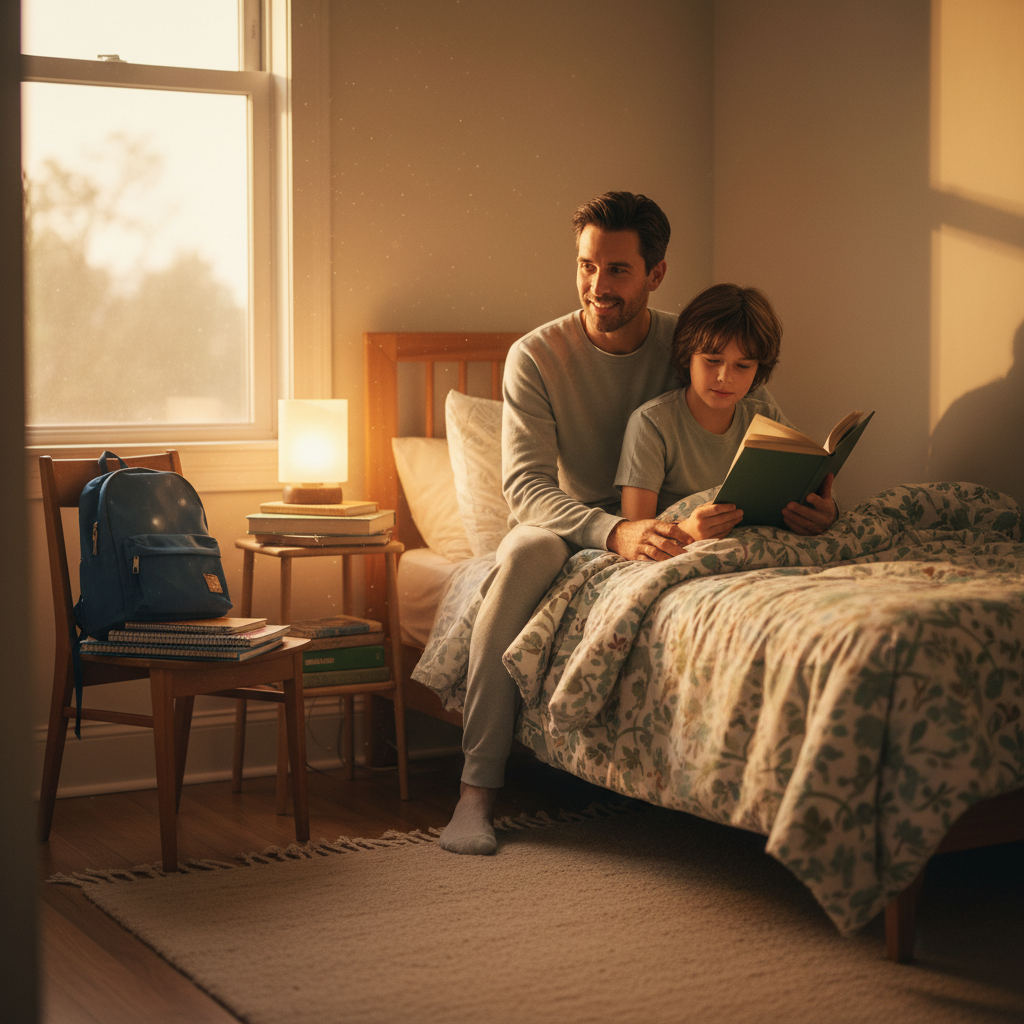
Why summer disrupts sleep
Summertime can significantly shift children's sleep habits — later evenings, fewer obligations, and the freedom to sleep in. But as the school year approaches, those drifted schedules become a real problem. Getting back on track takes time, and starting early matters.
Sleep is critical for children's overall well-being, growth, and their ability to learn, play, and socialize. Setting up healthy sleep habits before school begins gives children a meaningful advantage.
How much sleep does a child need?
Children differ in how much sleep they need, when they naturally feel tired, and when they wake. The right amount also changes with age.
Signs your child isn't getting enough sleep
School struggles
Poor performance, lack of concentration, and forgetfulness.
Emotional signs
Irritability, trouble managing emotions, or persistent sadness.
Physical signs
Headaches, nausea, upset stomach, and trouble waking in the morning.
Low engagement
Withdrawal from activities, low motivation, and reduced social interaction.
If inadequate sleep continues over a prolonged period, children can develop high blood pressure, weight gain, and mental health issues including depression and anxiety.
How to reset sleep before school starts
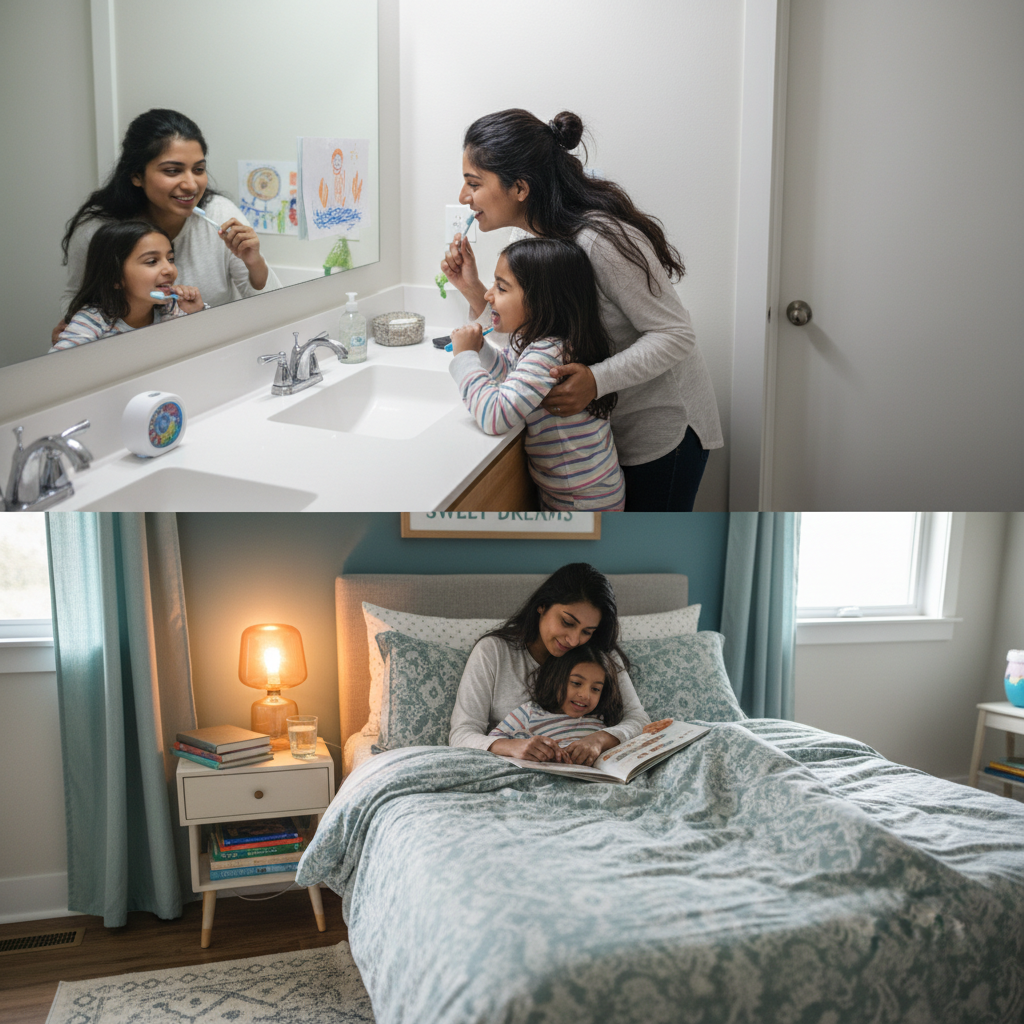
Begin shifting your children back to a regular schedule a few weeks before school begins. Reintroduce the nightly routine — brushing teeth, reading, then bed. If there is no routine yet, it is never too late to start. Consistent routines help children fall asleep faster, wake up fewer times during the night, and sleep longer overall.
Stick to the same bedtime and wake time every day, including weekends
Encourage physical activity during the day, but avoid overscheduling
Establish a calming wind-down routine before bed
Keep bedrooms dark, cool, and quiet
Avoid caffeine and sugary drinks in the afternoon and evening
Keep screens out of bedrooms — TVs, computers, and phones
Turn off all screens at least one hour before bedtime
Use the bed only for sleeping, not for homework, toys, or TV
Model it yourself
Role modeling healthy sleep habits is one of the most effective things a parent can do. Brush your teeth together, read alongside them, or practice relaxing in a shared space before their bedtime. Children observe and learn from what they see.

When to seek help
If your child is consistently struggling with sleep, speak with a pediatrician, family medicine physician, or mental health professional. They can work with you to identify the cause and develop a plan to restore healthy sleep before issues compound.