Circadian Rhythm Disorders (Sleep–Wake Disorders)
When your body clock is out of sync with the world around you, sleep suffers. Here's what causes it and how to get back on schedule.
What are circadian rhythm disorders?
Circadian rhythm disorders occur when your internal body clock is out of sync with your environment. This clock runs on an approximately 24-hour cycle and regulates when you feel alert and when you feel sleepy. When it is misaligned, sleep timing, quality, and daytime functioning are all affected.
Your body relies on cues such as light and darkness, meal timing, and activity levels to stay on schedule. Disruption to these cues can shift your sleep pattern and lead to ongoing sleep difficulties.
Common symptoms
- Difficulty falling asleep or waking at desired times
- Poor-quality or insufficient sleep
- Excessive daytime sleepiness or low energy
- Reduced focus, memory, and decision-making
- Mood changes or irritability
- Sleep interfering with work, school, or daily life
Why it happens
Circadian rhythm disruption can be short-term or chronic. Common causes include travel across time zones, shift work or irregular schedules, evening light exposure (especially screens), aging or genetic factors, and certain medical or neurological conditions.
Main types of circadian rhythm disorders
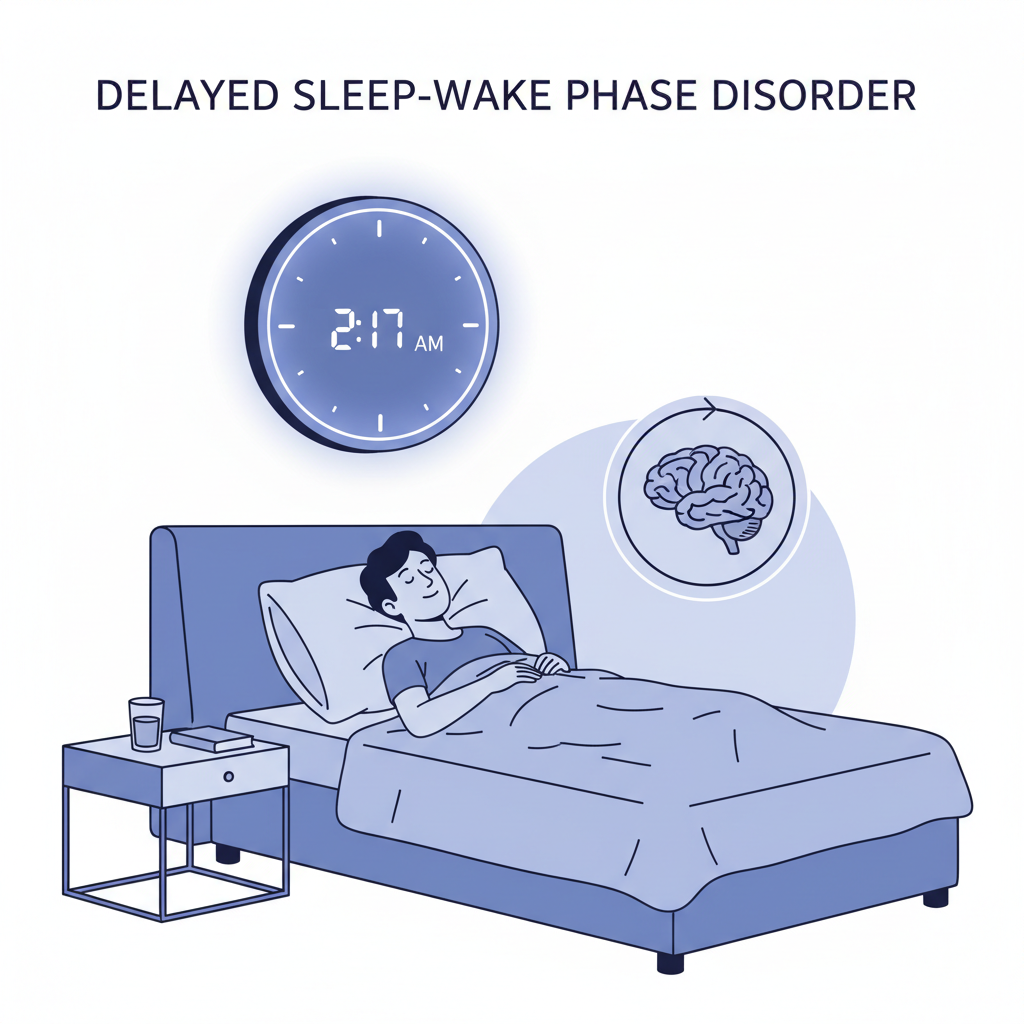
1. Delayed Sleep-Wake Phase Disorder (DSWPD)
Sleep and wake times are shifted later than desired. Example: difficulty falling asleep before 2–3 a.m. and waking early for work or school. More common in adolescents and young adults.
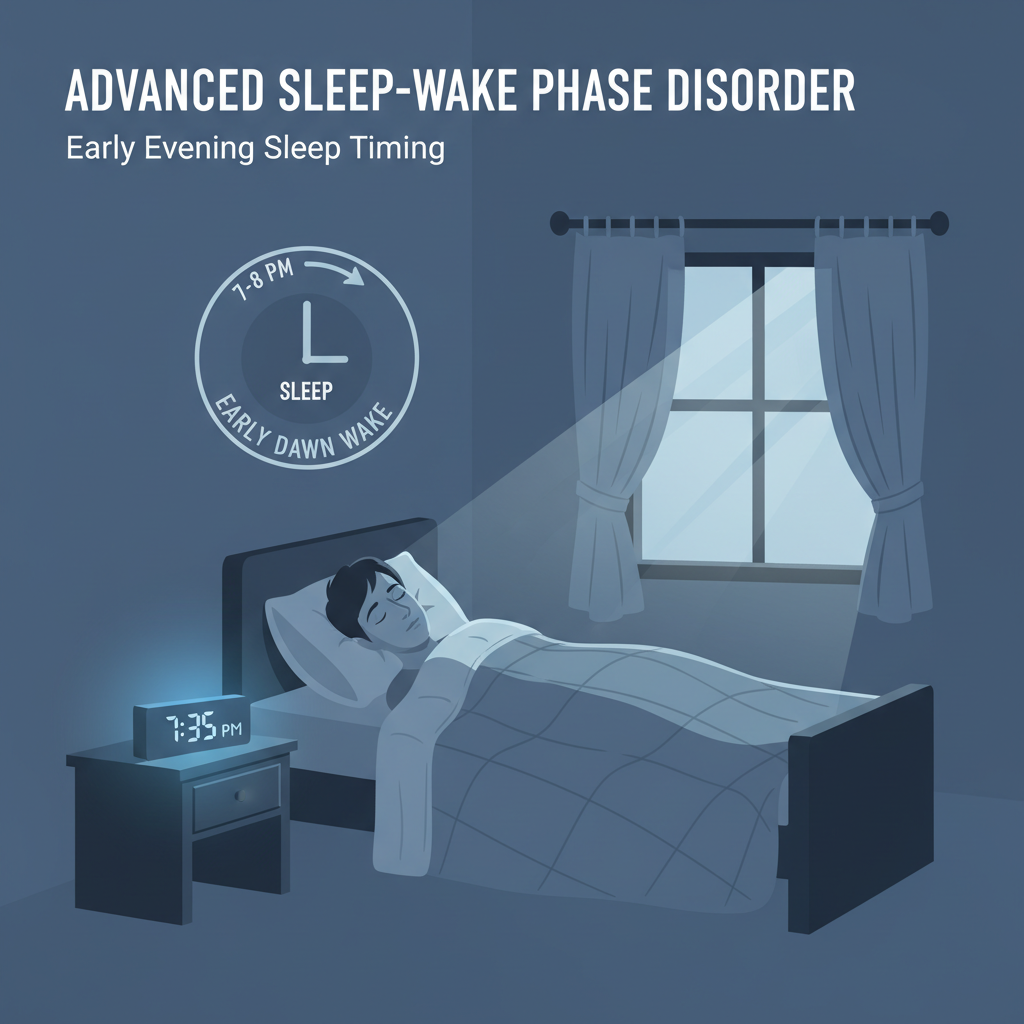
2. Advanced Sleep-Wake Phase Disorder (ASWPD)
Sleep and wake times occur earlier than desired. Example: falling asleep around 7–8 p.m. and waking at 3–4 a.m. More common in older adults.
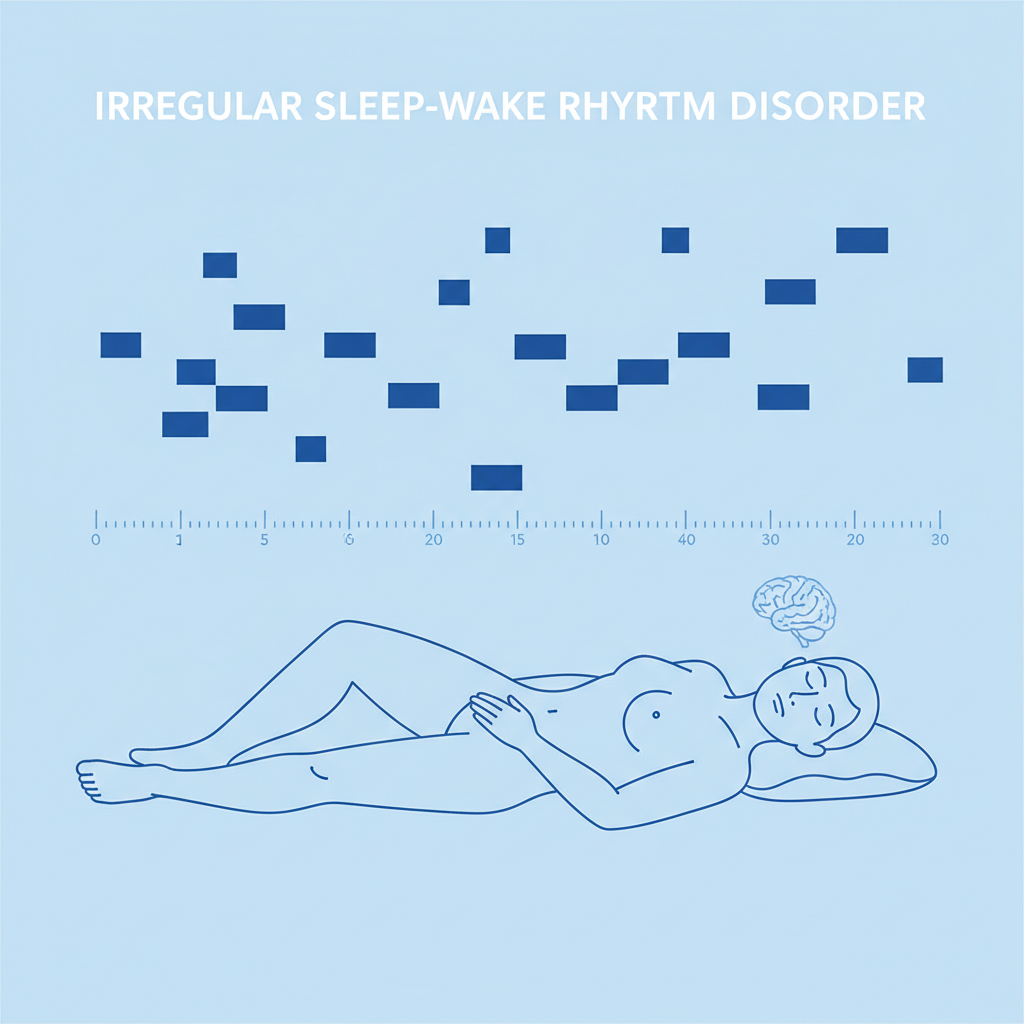
3. Irregular Sleep-Wake Rhythm Disorder
No consistent sleep pattern. Sleep occurs in multiple short periods across 24 hours. Often associated with neurological conditions, but can also result from poor sleep habits.
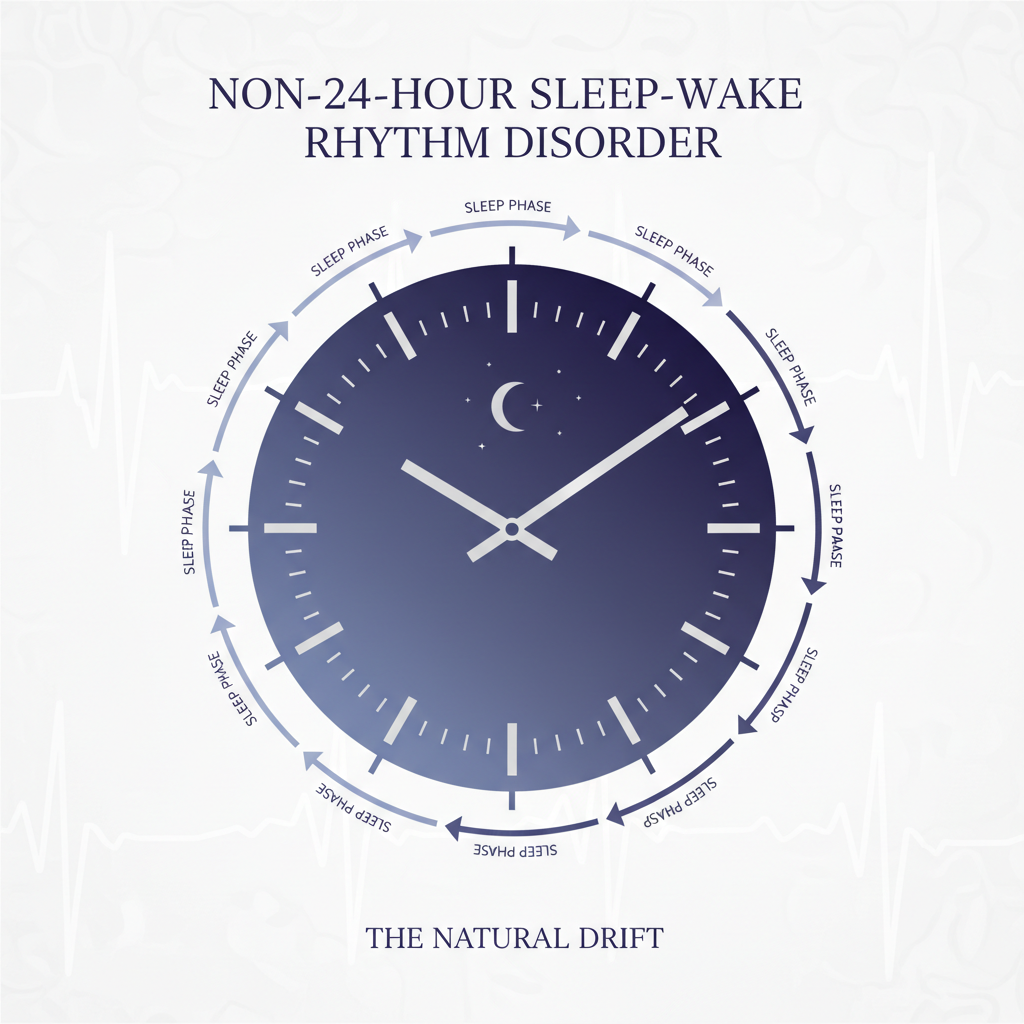
4. Non-24-Hour Sleep-Wake Rhythm Disorder
The internal clock runs longer than 24 hours, causing sleep times to shift later each day. More common in individuals who are blind or have limited light perception.
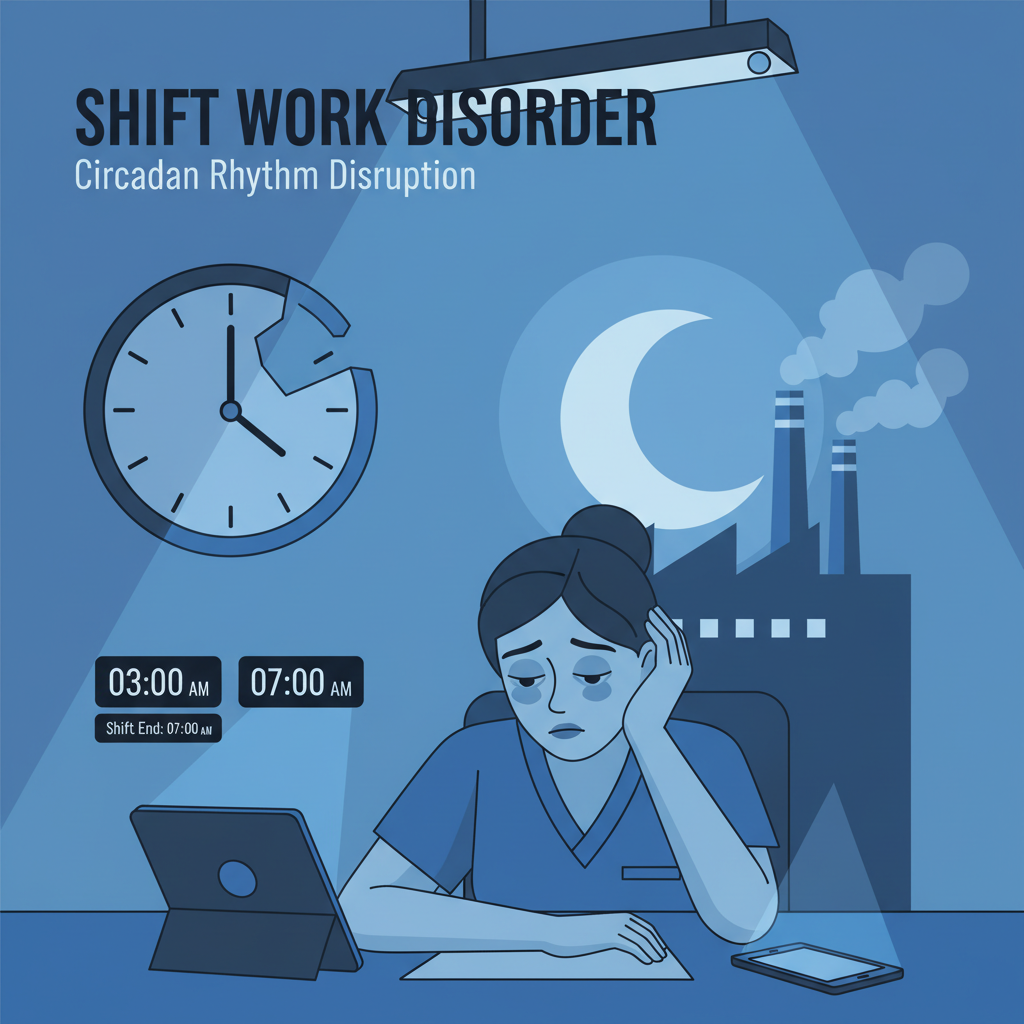
5. Shift Work Disorder
Caused by working overnight or rotating schedules. Leads to insomnia, fatigue, and reduced alertness during work hours.
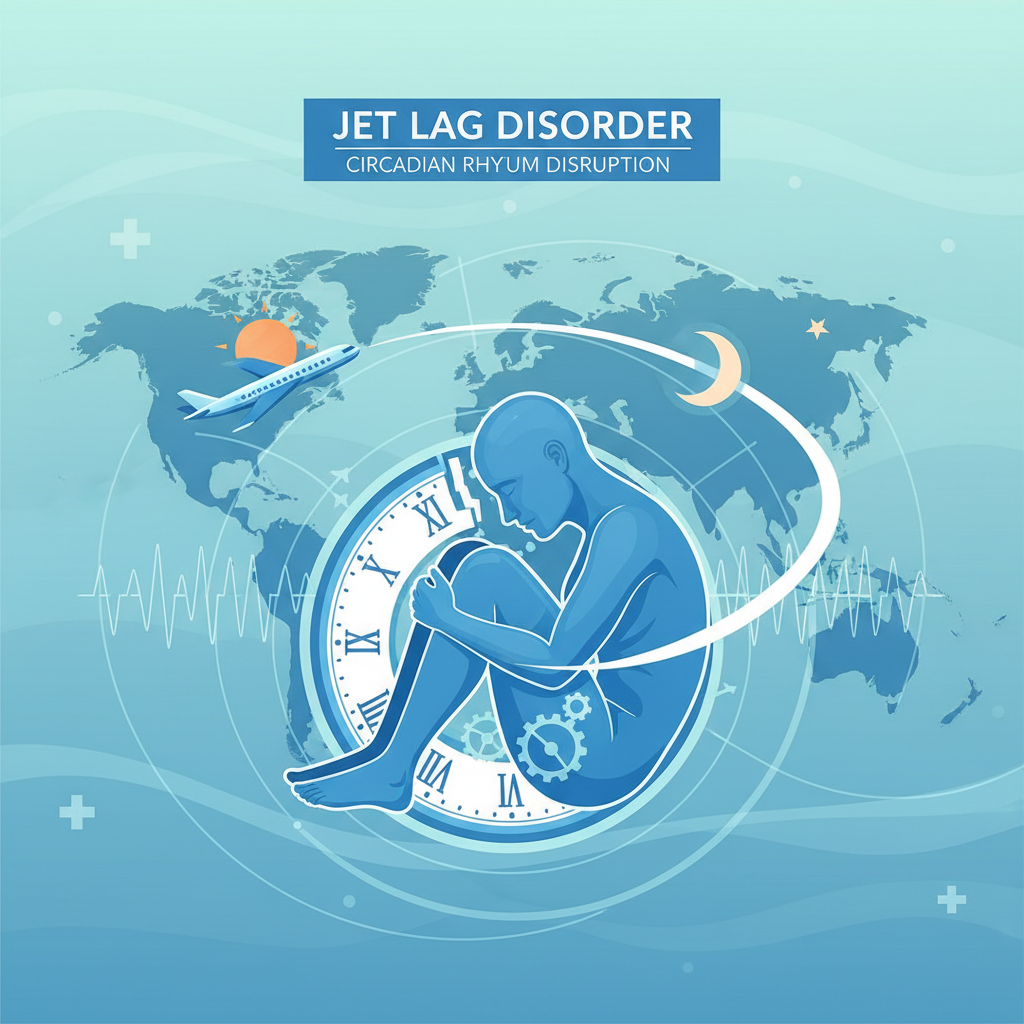
6. Jet Lag Disorder
Temporary misalignment after crossing time zones. Symptoms include insomnia, daytime sleepiness, low mood, and digestive issues. Typically resolves within a few days depending on the number of time zones crossed.
How it is diagnosed
Assessment typically includes a review of sleep patterns and routines, sleep diaries or wearable tracking, and in some cases a sleep study. Diagnosis focuses on identifying the pattern of misalignment and its underlying cause.
Treatment approach
- Light therapy — timed exposure to bright light (usually morning or evening) to shift the body clock
- Consistent sleep schedule — fixed sleep and wake times every day, including weekends
- Melatonin — used at specific times to help reset the sleep cycle
- Light avoidance — reducing screen use and bright light exposure before bedtime
- Behavioral adjustments — gradually shifting sleep times, optimizing routines, and improving the sleep environment
- Alertness strategies — limited use of caffeine or, in some cases, prescribed medications for daytime sleepiness
Why it matters
If untreated, circadian rhythm disorders can lead to chronic fatigue and reduced performance, mood disturbances, increased risk of workplace or driving accidents, and long-term health risks due to poor sleep.
Circadian rhythm disorders are not just bad sleep habits. They are biological timing issues. With the right diagnosis and targeted adjustments, most people can realign their sleep and significantly improve daily functioning.